-1.png?w=800&h=800)
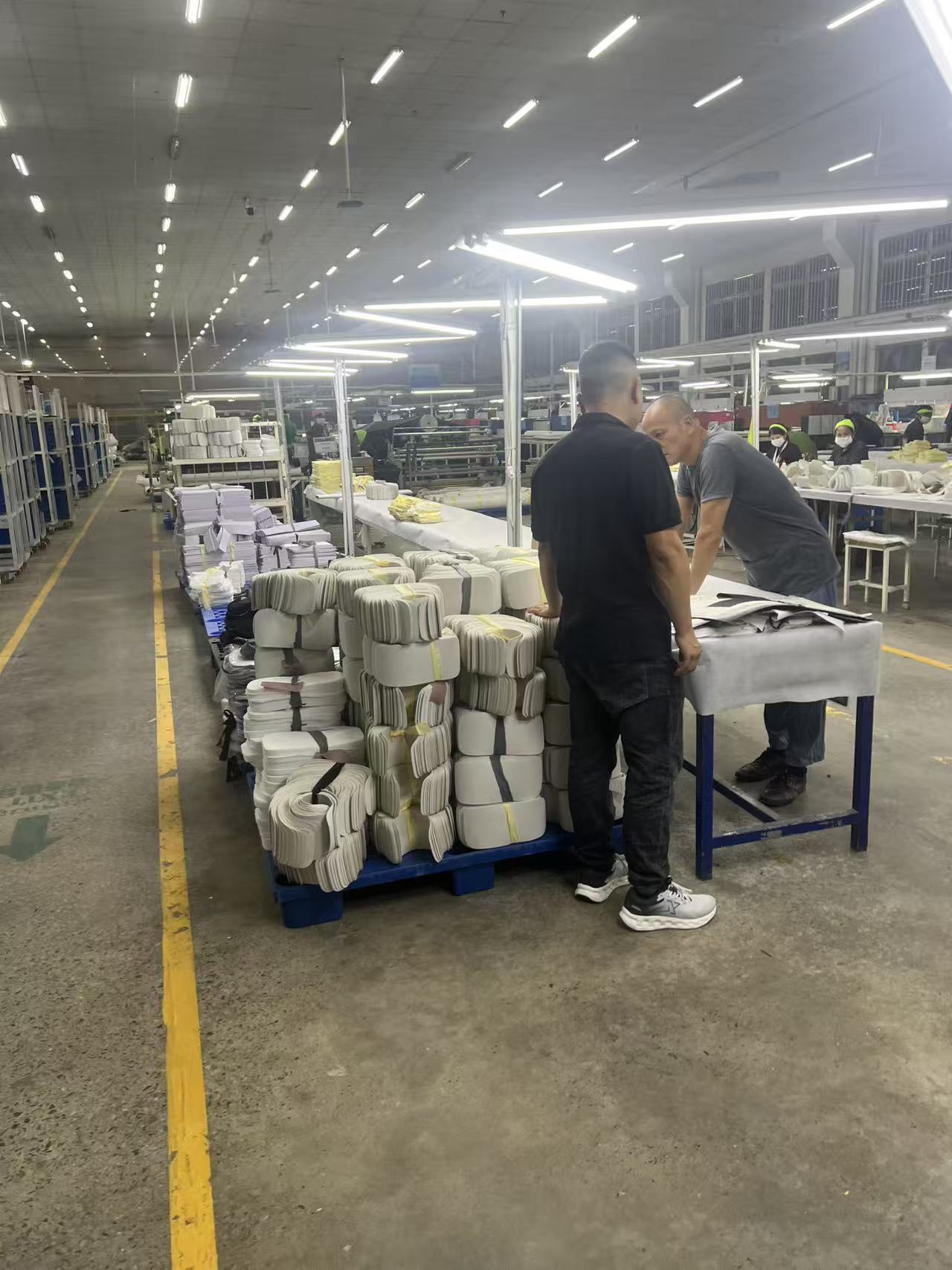
A few weeks ago, a client asked a question that would have sounded unusual just two years ago:
“Do you know where this PU material comes from?”
Not the price.
Not the MOQ.
Not even the lead time.
The material source.
That moment says a lot about where the handbag industry is heading.
When Handbags Start to Look Like Food
If this shift toward traceability feels new, it isn’t.
It already happened—just in a different industry.
Think about food.
Years ago, most consumers didn’t ask:
- Where ingredients came from
- How products were processed
- Whether suppliers were audited
They focused on:
- Price
- Taste
- Brand
And for a long time, that was enough.
Until it wasn’t.
Food safety incidents, regulatory pressure, and rising awareness changed the rules.
Today, it’s normal—expected even—to see:
- Ingredient lists
- Nutritional labels
- Origin disclosures
Not as a premium feature.
But as a baseline requirement.
Why the Same Shift Is Happening in Handbags
At first glance, handbags and food seem unrelated.
But structurally, they share the same issue:
The production process is invisible to the end user.
And wherever there is invisibility, there is uncertainty.
That uncertainty creates a trust gap.
And when a trust gap becomes large enough, the same three forces always appear:
- Regulation steps in to define minimum standards
- Brands are forced to respond to protect their reputation
- Consumers start asking better questions
This is exactly what is happening now in fashion and handbag manufacturing.
Search trends like:
- sustainable handbag manufacturer
- ethical bag production
- transparent fashion supply chain
are rising not because they sound good—but because they reduce uncertainty.
From “Nice to Know” to “Need to Know”
Material origin used to be optional.
A “nice to know” detail—if available.
Now it’s becoming:
“If we don’t know, we can’t move forward.”
Just like food labeling.
Once a few brands begin offering transparency,
it resets expectations for the entire market.
And suddenly, what used to be a bonus becomes a requirement.
What This Shift Actually Changes
This isn’t just a compliance issue.
It fundamentally changes how trust is built.
Before, trust looked like this:
- Brand reputation
- Product appearance
- Price positioning
Now, it looks like this:
- Verifiable information
- Supply chain clarity
- Responsiveness to questions
In other words:
Trust is moving from perception → to proof.
The Hidden Reality: Most Supply Chains Aren’t Built for This
Here’s where the tension lies.
Many manufacturers still operate with:
- Fragmented sourcing channels
- Limited upstream visibility
- Incomplete documentation
That worked in a cost-driven market.
But today, when a buyer asks:
“Where is this material from?”
Answering “we’re not sure” is no longer neutral.
It’s a risk signal.
Why This Now Affects Sampling
Sampling used to focus on:
- Shape
- Construction
- Aesthetic accuracy
Now, it’s evolving into something more complex:
- Design + material transparency
A strong sample today doesn’t just look right.
It answers questions before they are asked.
It tells a story about:
- where materials come from
- how stable the supply is
- whether it can scale into bulk production safely
What Brands Are Really Evaluating Now
If you're a brand searching for:
- custom handbag manufacturer
- OEM bag factory
- private label bag supplier
You might think you're comparing:
- price
- MOQ
- lead time
But in reality, you're evaluating something deeper:
How much uncertainty does this supplier removes?
Because in today’s environment, the real cost is not production.
It’s a risk.
From Manufacturer to Risk-Reducing Partner
This is where the role of a factory is quietly evolving.
Before, value was defined by:
- capacity
- efficiency
- cost control
Now, another dimension is emerging:
- information reliability
A supplier who can clearly explain:
- where materials come from
- how they are sourced
- what standards they meet
…is no longer just producing bags.
They are reducing risk.
Final
MOQ still matters.
But it’s no longer the real barrier.
Because in 2026, the question isn’t:
“How many units can you produce?”
It’s:
“How much can you prove?”
Food didn’t become transparent overnight.
It changed because it had to.
Handbags are now entering the same phase.
And just like in food, the winners won’t be the ones who say the most—
but the ones who can show the most.