-1.png?w=800&h=800)
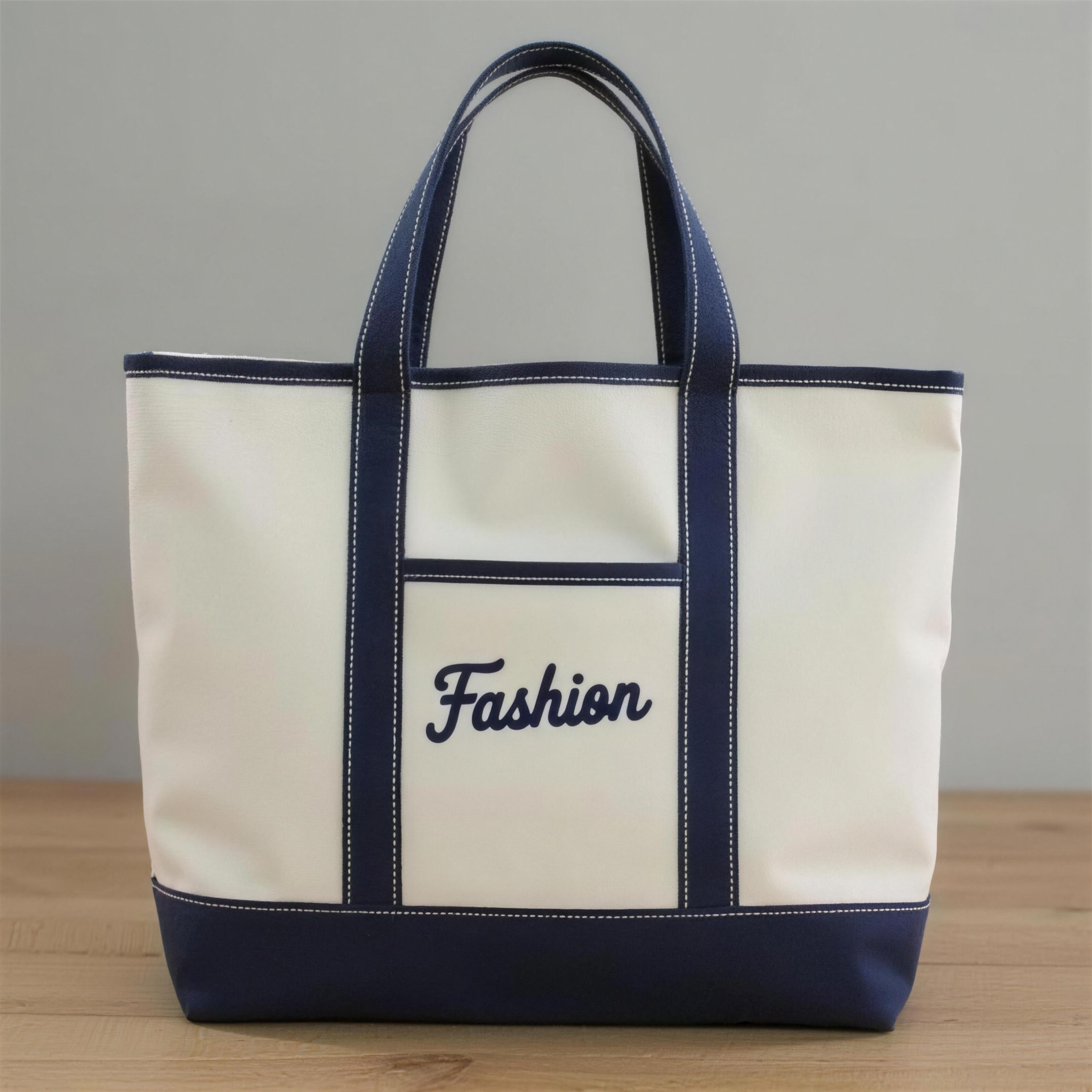
From First Sample to Bulk Production: What Really Takes Time?
Many people think a factory should only focus on production. Make the sample. Make the bulk. Ship on time.
But the real challenge lies in the steps between the first sample and bulk production. These steps take time because they involve decisions, validations, and risk management.
Some brands ask:
“Why do you need to know how our products are selling?”
The short answer is simple: Because the journey from the first sample to bulk production is where time really matters.
How Sales Influence Production Pressure
Sales trends directly affect production planning. Even small changes can have a big impact.
Key points:
-
Higher-than-expected sales increase quantities, move up delivery dates, and require stricter consistency. For example, a handbag style that was initially a test gained sudden popularity online, and the factory had to adjust production lines quickly.
-
Lower-than-expected sales may delay orders, affect cash flow, and increase inventory risk. For instance, a limited-edition tote didn’t sell as projected, allowing the factory to slow production and avoid unnecessary stock.
Takeaway: Most production issues arise from sudden changes in sales pressure, not from the production process itself.
Production Needs Time to Prepare
Preparation is crucial for smooth bulk production. Factories need lead time to secure materials and schedule lines properly.
Key points:
-
Material sourcing: Some leathers or hardware pieces take weeks to acquire. Knowing likely sales volumes early allows the factory to secure the right materials on time. For example, a special leather strap for a backpack was prepared in advance, avoiding delays.
-
Capacity planning: Reserving production slots prevents rushes that can compromise quality.
-
Line balancing: Adjusting staffing and workflow for expected volume ensures efficiency.
Takeaway: Early alignment on expected sales and priorities prevents last-minute issues.
Not All Products Need the Same Treatment
Different products in a collection have different roles and risks.
Key points:
-
Test styles can be produced with flexibility, allowing adjustments if demand is low.
-
Core items require strict quality checks to maintain consistency. A tote bag with steady demand might get more attention during bulk production.
-
Limited editions can have some flexibility in minor details without impacting brand perception.
Example: A limited-edition wallet allowed some flexibility, while a core handbag went through tighter inspections to ensure every piece matched the approved sample.
Takeaway: Prioritizing product treatment saves time and ensures reliability.
Better Sales Insight Reduces Total Cost
Understanding sales helps plan production more efficiently and avoid hidden costs.
Key points:
-
Avoid emergency measures: Planning based on expected sales reduces rush shipping and overtime.
-
Prevent rework: Early insight allows adjustments in processes or minor design tweaks before bulk production.
-
Optimize batches: Production can be planned in proper batch sizes to match actual demand.
Example: A midsize handbag brand avoided air freight by sharing projected sales, allowing the factory to schedule production in normal batches.
Takeaway: Early sales visibility helps save time and money while keeping quality stable.
Sharing Sales Information Protects Both Sides
Open communication builds trust and reduces surprises.
Key points:
-
For brands: Fewer internal escalations, better inventory management, more reliable supply.
-
For factories: Clear expectations, accurate planning, healthier long-term cooperation.
Example: Sharing monthly online sales estimates helped the factory adjust staffing for a small spike, preventing bottlenecks.
Takeaway: Transparent communication benefits both parties and reduces risk.
Building Partnership, Not Pricing Battles
Asking about sales is about collaboration, not negotiating higher prices.
Key points:
-
Prevent hidden risks: Factories can advise on small design or process changes to avoid delays.
-
Plan proactively: Early discussion avoids emergency fixes later.
-
Focus on reliability: Ensures predictable production from sample to bulk.
Example: Minor adjustments to bag hardware based on projected demand prevented delays in bulk production without changing cost.
Takeaway: This approach fosters a long-term, reliable partnership.
Final Thought
Talking about sales and planning is not crossing a line; it is building one.
A clear line exists between guessing and planning, reacting and preparing, sample success and bulk reliability.
When brands and factories understand the journey from first sample to bulk production, production becomes predictable — and predictability is the foundation of quality.