-1.png?w=800&h=800)
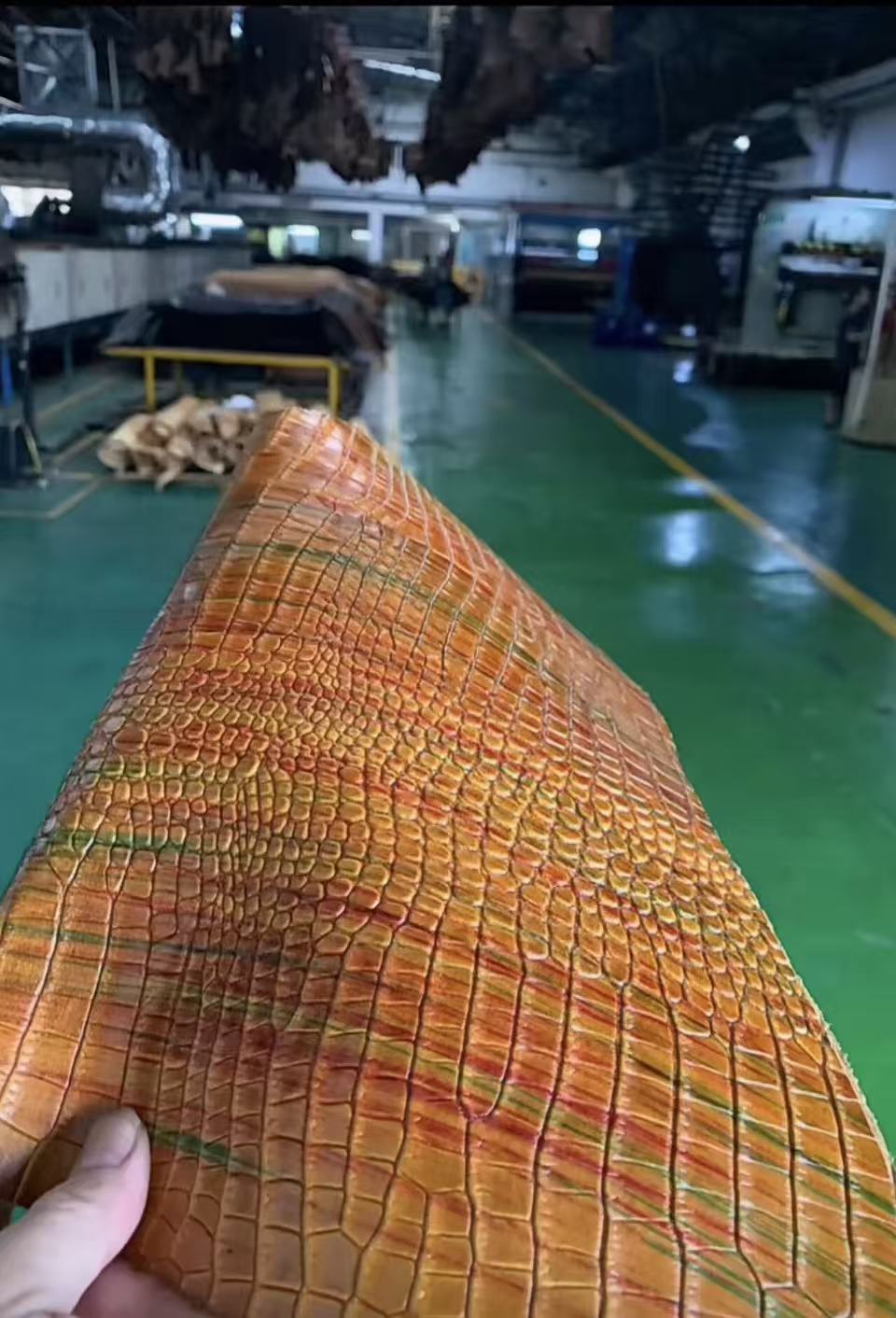
Starting a handbag brand is exciting—but finding the right manufacturer can be one of the most difficult parts of the process.
You may already have a design, sketches, a tech pack, or a reference sample. But before placing an order, you need to understand whether a manufacturer can actually turn your idea into a repeatable, production-ready product.
If you are a startup brand, these are some of the most important questions to ask a handbag manufacturer:
-
What is your MOQ?
-
What materials can you work with?
-
How much does a sample cost?
-
How long does sampling take?
-
How long does bulk production take?
-
What happens if the first sample is not right?
-
Is the sample fee refundable?
-
How do you control quality during production?
-
Can you help improve my design before production?
-
What information do you need to give me an accurate quotation?
At Dongfanghong, we believe these questions should be answered before you place an order—not after.
Here is how we recommend approaching each one.
1. What Is Your MOQ Per Style and Color?
Don't just ask:
“What is your MOQ?”
Ask:
“What is your MOQ per style and per color?”
This distinction can make a significant difference for a startup brand.
For example, a factory may say its MOQ is 300 pieces. But that could mean:
-
300 pieces per style
-
300 pieces per color
-
300 pieces across multiple colors
These are completely different commitments.
How we approach MOQ at Dongfanghong
We understand that a new brand may not be ready to purchase thousands of pieces of one design.
That's why we support flexible MOQ options depending on the product and production requirements.
For selected projects, we can work with quantities such as 25–500 units per style/color, depending on the construction, material, hardware and production requirements.
Why do we support smaller quantities?
Because we look at the situation from the buyer's side.
A startup may still be testing:
-
Product-market fit
-
Pricing
-
Customer response
-
New designs
-
New colors
-
Sales channels
Ordering thousands of pieces before knowing which design will sell can tie up a significant amount of working capital.
A smaller initial order allows you to test the market first and scale the successful styles later.
Lower initial risk does not necessarily mean lower production cost—but it can mean better cash-flow management and less inventory risk.
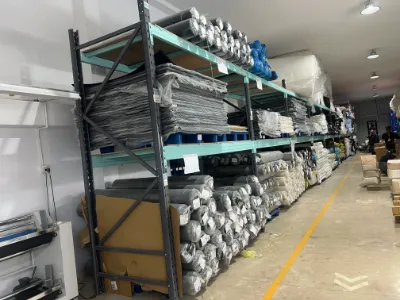
2. What Materials Can You Manufacture With?
“Leather” or “PU” is not specific enough.
Different materials can have very different:
-
Thickness
-
Softness
-
Grain
-
Surface texture
-
Abrasion resistance
-
Color consistency
-
Durability
-
Cost
-
MOQ
-
Lead time
For example, two PU materials may look similar in a supplier's photo but feel completely different in the finished handbag.
What should you ask?
Ask your manufacturer:
-
What materials can you source?
-
Can you recommend the right material for my design?
-
Can I see material swatches before sampling?
-
Can you work with customer-supplied materials?
-
What testing or certifications are available?
-
Will the same material be available for future production?
How we approach materials at Dongfanghong
We don't believe the buyer should have to know every technical detail about handbag materials.
If you tell us:
“I want a structured handbag with a premium appearance, medium firmness and good scratch resistance.”
we can work backwards from the product requirement and recommend suitable material and construction options.
This is especially useful for first-time brands.
You don't need to become a handbag manufacturing expert before launching your first collection.
You need a manufacturing partner who can explain the trade-offs clearly.
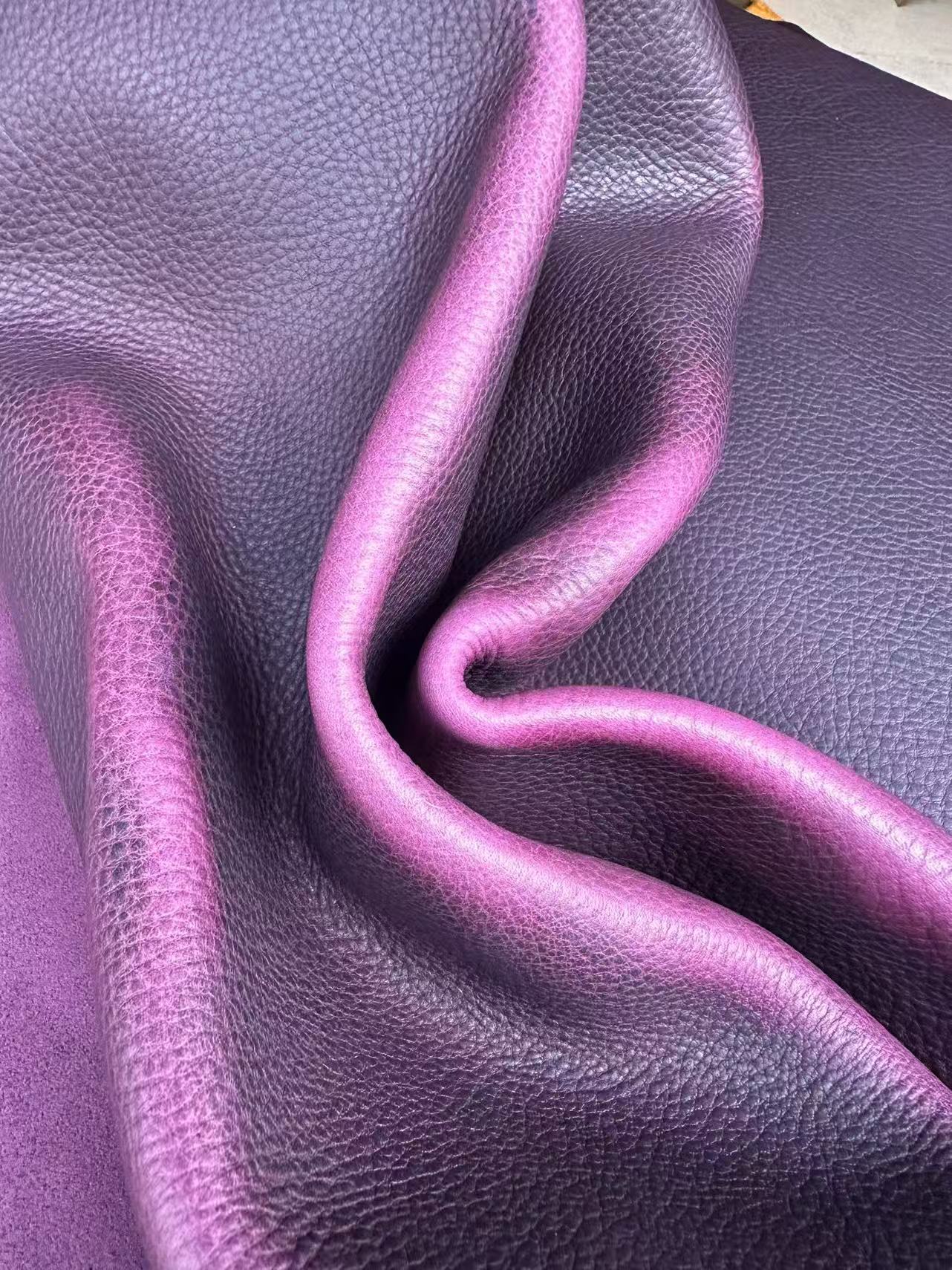
3. How Much Does a Custom Handbag Sample Cost?
This is one of the most common questions from startup brands.
A sample is usually much more expensive per piece than the eventual bulk production price because it involves development work rather than mass production.
A custom handbag sample may involve:
-
Pattern development
-
Material sourcing
-
Cutting
-
Hardware preparation
-
Logo development
-
Sewing
-
Edge finishing
-
Assembly
-
Quality checking
-
Revisions
As a general industry reference, startup brands can expect custom handbag sampling to fall roughly within $50–$300+ per sample, while more complex structured handbags, genuine leather styles, custom hardware or multiple development stages can reach $300–$600 or more.
The actual cost depends heavily on the design and what is included in the sample service.
At Dongfanghong
We quote samples based on the actual development requirements rather than simply charging a flat “sample price.”
For example, the cost can change depending on:
-
Bag construction
-
Material
-
Hardware
-
Pattern complexity
-
Logo technique
-
Number of components
-
Special finishing requirements
This gives the buyer a clearer understanding of what they are actually paying for.
Before you approve a sample, ask:
“What exactly is included in the sample fee?”
4. Is the Sample Fee Refundable?
This is another question that should be clarified before development begins.
Some manufacturers credit the sample fee against a future bulk order. Others charge it separately.
At Dongfanghong, we discuss the sample and production arrangement with the buyer upfront so there is no misunderstanding about:
-
Sample fees
-
Pattern fees
-
Tooling or mold fees
-
Material costs
-
Revision costs
-
Shipping
-
Potential sample credit against production
The important thing is not whether every factory has the same policy.
The important thing is that you know the policy before paying.
5. How Long Does the First Sample Take?
A manufacturer saying “7 days” doesn't necessarily mean you will receive a finished sample in seven days.
Sampling can involve:
Design review → Pattern making → Material sourcing → Cutting → Sewing → Finishing → QC → Shipment
For many custom handbag projects, a reasonable planning range is approximately 7–20 working days, although complex designs can take longer.
At Dongfanghong, typical sampling is around 15–20 days, depending on the design and material requirements.
But there is another question that is arguably more important:
“When does the sample lead time actually start?”
Does it start after:
-
Receiving your tech pack?
-
Confirming the construction?
-
Approving the material?
-
Receiving the sample fee?
-
Confirming all hardware?
A clear answer gives you a much more realistic launch schedule.
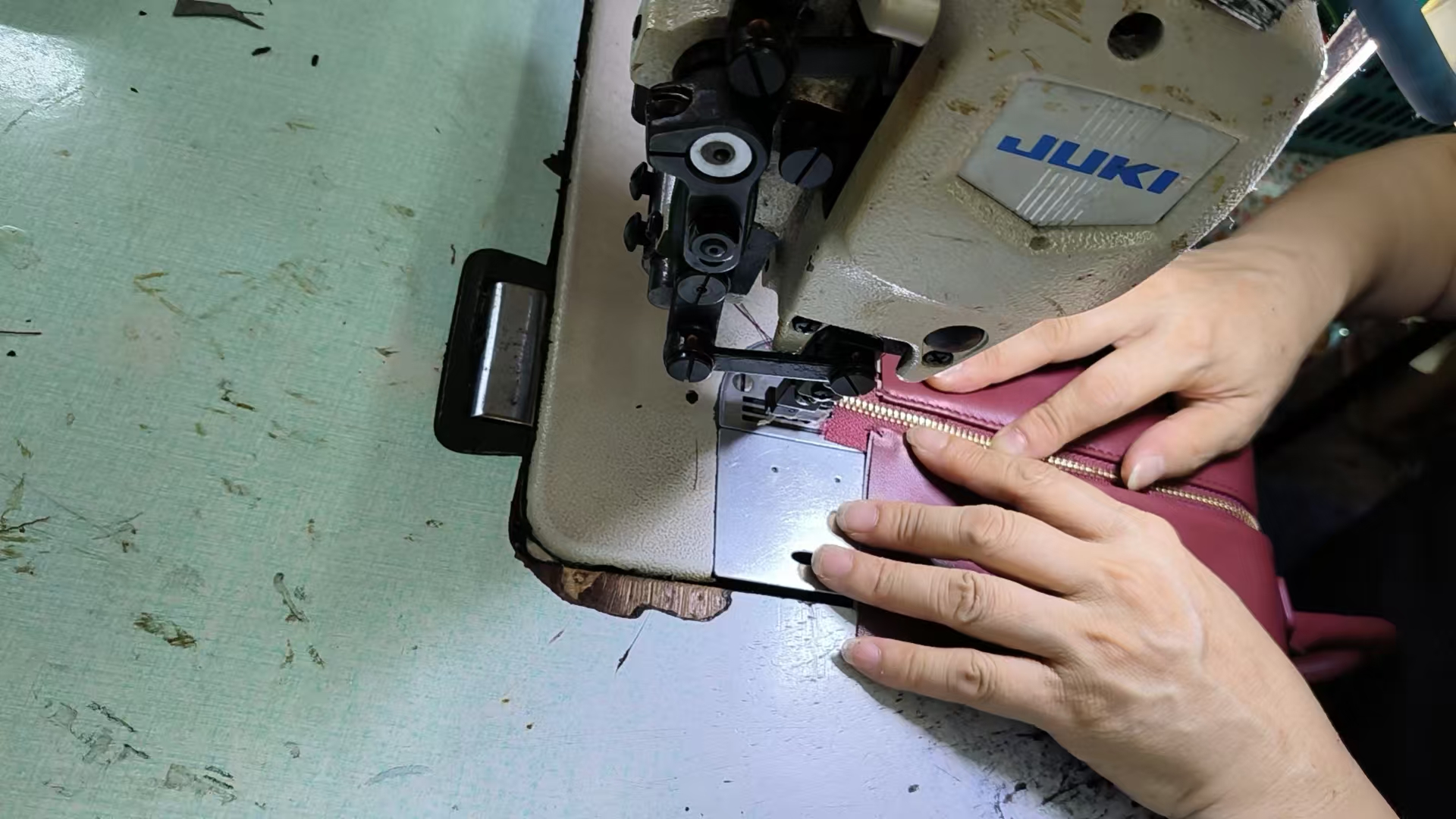
6. What Happens If the First Sample Is Not Right?
This is something every startup should ask.
Because the first sample is rarely just:
“Yes, this is perfect. Start production.”
You may discover that:
-
The handle is too long
-
The bag is too soft
-
The gusset is too wide
-
The zipper position is wrong
-
The hardware is too heavy
-
The logo is too large
-
The opening doesn't work as expected
-
The proportions look different from the original drawing
This is normal during product development.
What we recommend
Don't think of sampling as simply buying one finished bag.
Think of it as a development process.
At Dongfanghong, our China team supports product development and sample making, and we encourage buyers to communicate changes during the development stage rather than discovering production problems after bulk manufacturing has started.
Before placing an order, ask:
“How are sample revisions handled?”
and:
“Can your development team explain why a change is recommended?”
A good manufacturer should be able to explain the production reason—not simply say:
“We can't do it.”
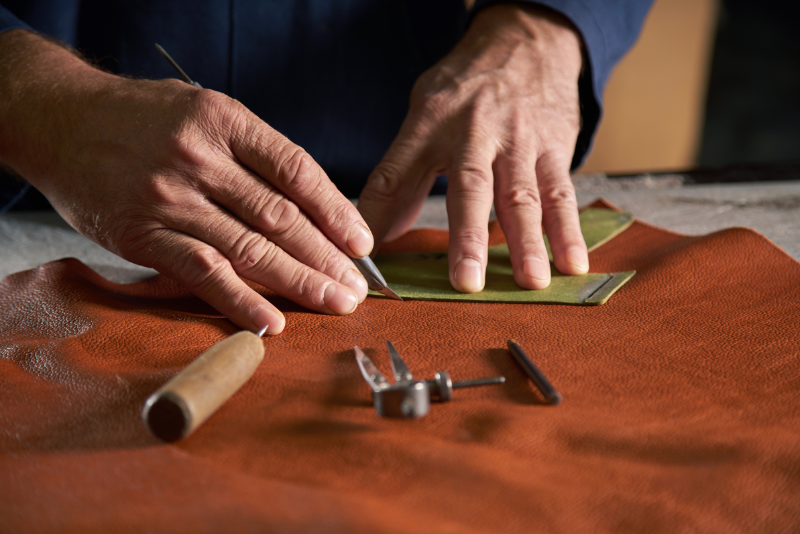
7. Can You Help Improve My Design?
This is particularly important for startup brands.
You may have a strong creative concept but limited manufacturing experience.
That's okay.
A good factory should be able to identify potential production problems before they become expensive problems.
For example:
-
A handle attachment may need reinforcement.
-
A particular PU may be too soft for the intended structure.
-
A hardware design may be too heavy.
-
A seam may be difficult to produce consistently.
-
A pocket may need to be repositioned.
-
A particular edge-paint construction may not be suitable for the material.
Our approach
We don't want to simply manufacture exactly what is shown in a drawing if we already know there may be a production issue.
Our development team can review:
-
Construction
-
Materials
-
Hardware
-
Dimensions
-
Manufacturing feasibility
-
Cost implications
The goal is not to change your design.
The goal is to help you understand what will happen when your design becomes a physical product.
The final decision should always remain with the brand.
8. What Is Your Bulk Production Lead Time?
Ask:
“How long does production take?”
But also ask:
“How long after final sample approval and material confirmation?”
This is a much more useful question.
For many handbag projects, bulk production can take approximately 25–45 days, depending on quantity, material availability, construction, hardware and production scheduling.
However, production time is only one part of the timeline.
Your actual project may include:
Design → Sampling → Revisions → Final approval → Material purchasing → Production → QC → Packing → Shipment
That's why we recommend startup brands plan backward from their target launch date instead of only looking at the factory's production lead time.
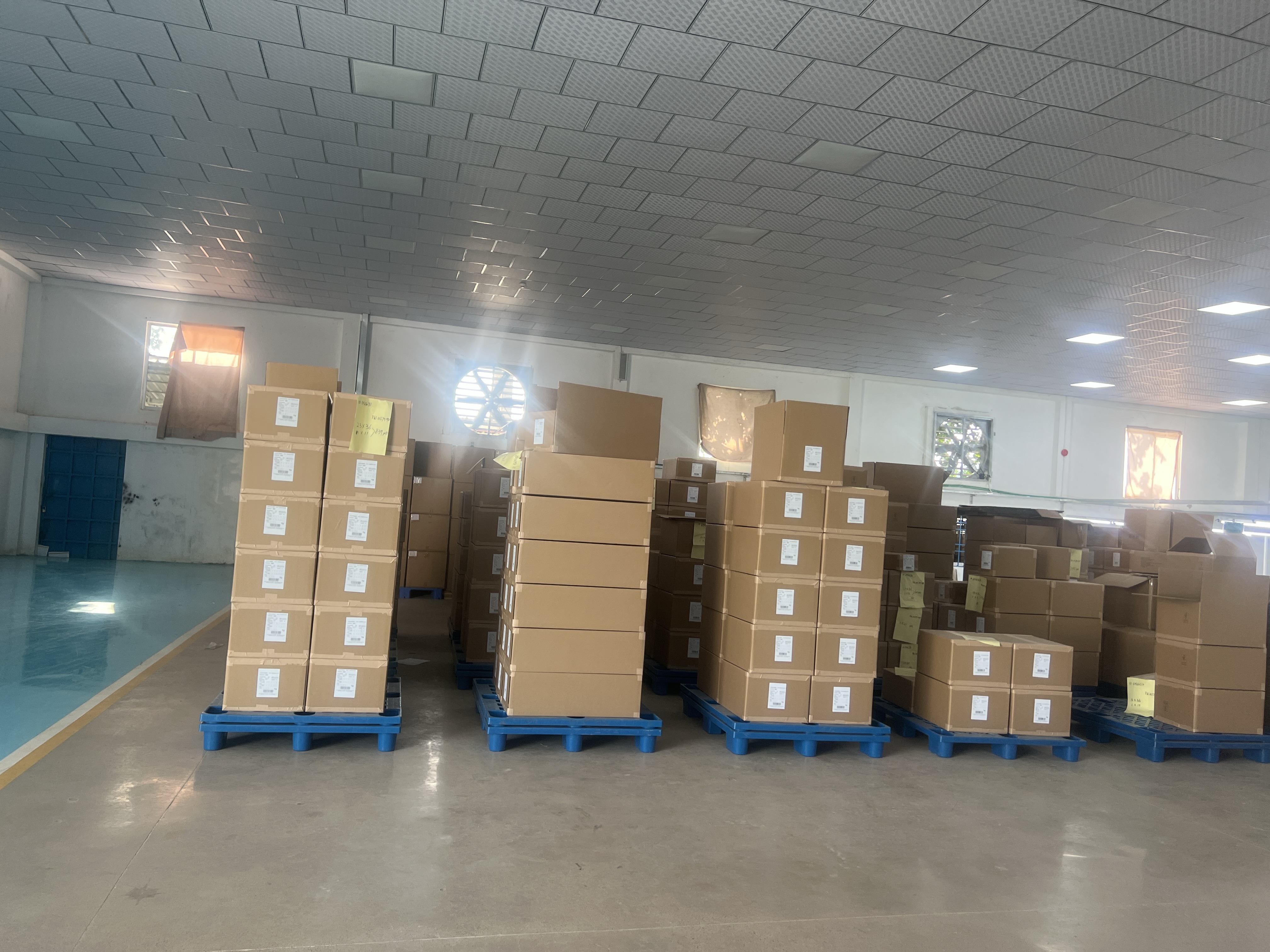
9. How Do You Control Quality?
A good sample doesn't guarantee a good bulk order.
You should ask what happens between the approved sample and the finished shipment.
At a professional handbag factory, quality control can happen at multiple stages:
-
Incoming material inspection
-
Cutting inspection
-
In-line production inspection
-
Hardware inspection
-
Sewing inspection
-
Finishing inspection
-
Final inspection
-
Packing inspection
At Dongfanghong
We use production management and ERP systems to help track materials, production processes and order information.
Our factories also have testing and inspection capabilities covering areas such as:
-
Material performance
-
Hardware
-
Zippers
-
Tensile strength
-
Abrasion
-
Drop impact
-
Salt spray
-
Anti-yellowing
The exact testing requirements depend on the product and buyer requirements.
For startup brands, this matters because quality problems discovered after shipment can be much more expensive than quality problems discovered during production.
10. What Information Do You Need From Me Before Quoting?
If you send a manufacturer:
“I want 500 handbags. How much?”
you probably won't get a very accurate quotation.
A better RFQ should include:
Product Information
-
Product type
-
Reference images or sketches
-
Dimensions
-
Material
-
Color
-
Lining
-
Hardware
-
Logo
-
Closure
-
Pockets
-
Construction details
-
Packaging
Order Information
-
Estimated quantity
-
Number of colors
-
Target market
-
Target delivery date
-
Packaging requirements
If you already have a tech pack, send it.
If you don't have one, don't assume you cannot approach a factory.
A good development team should be able to tell you what information is missing and what needs to be confirmed before sampling.
A Simple Checklist to Send Your Handbag Manufacturer
Before placing an order, you can copy these questions:
1. What is your MOQ per style and color?
2. What materials can you manufacture with?
3. Can you recommend materials based on my design and target price?
4. What is the sample cost and what does it include?
5. Is the sample fee refundable or creditable against a bulk order?
6. How long does the first sample take?
7. How are sample revisions handled?
8. What is your bulk production lead time after sample approval?
9. What quality control process do you use?
10. What information do you need from me to provide an accurate quotation?
11. Can your development team identify production risks in my design?
12. What happens if the bulk production does not match the approved sample?
These questions will tell you much more about a manufacturer than simply asking for a unit price.
What Should a Startup Look for in a Handbag Manufacturer?
If you are launching your first handbag collection, you probably don't need a factory that simply says:
“Send PO. Pay deposit. We produce.”
You need a partner that can help you move through the entire process:
Idea → Development → Sample → Revision → Approval → Production → QC → Delivery
This is why we believe startup brands should evaluate manufacturers based on risk, communication and development capability—not just price.
At Dongfanghong, we support flexible MOQ because we understand that startups need to validate products before committing too much capital.
We support development discussions because many founders know their brand vision but don't necessarily have years of handbag manufacturing experience.
We focus on clear sampling and production processes because a cheaper sample is not useful if it creates problems later.
And we use production management systems and factory-level quality controls because the objective is not simply to make one good sample. The objective is to reproduce that approved sample consistently in bulk.
Why Do We Take This Approach?
Because we look at manufacturing from the buyer's side.
For an established brand placing a large order, a few thousand extra units may be manageable.
For a startup, 500 unsold handbags can represent a significant amount of:
-
Cash flow
-
Storage space
-
Marketing budget
-
Time
-
Working capital
-
Business risk
That's why we believe the first order should be treated as more than a production order.
It is an opportunity to validate the product, test the market and build a reliable production process.
If the product performs well, the next step is simple:
Test → Learn → Improve → Scale.
That's the model we want to support.
Your goal is not to buy as many handbags as possible.
Your goal is to build a handbag brand that can grow.
And our job as a manufacturer is to help make that growth easier, more predictable and less risky.