-1.png?w=800&h=800)
Introduction
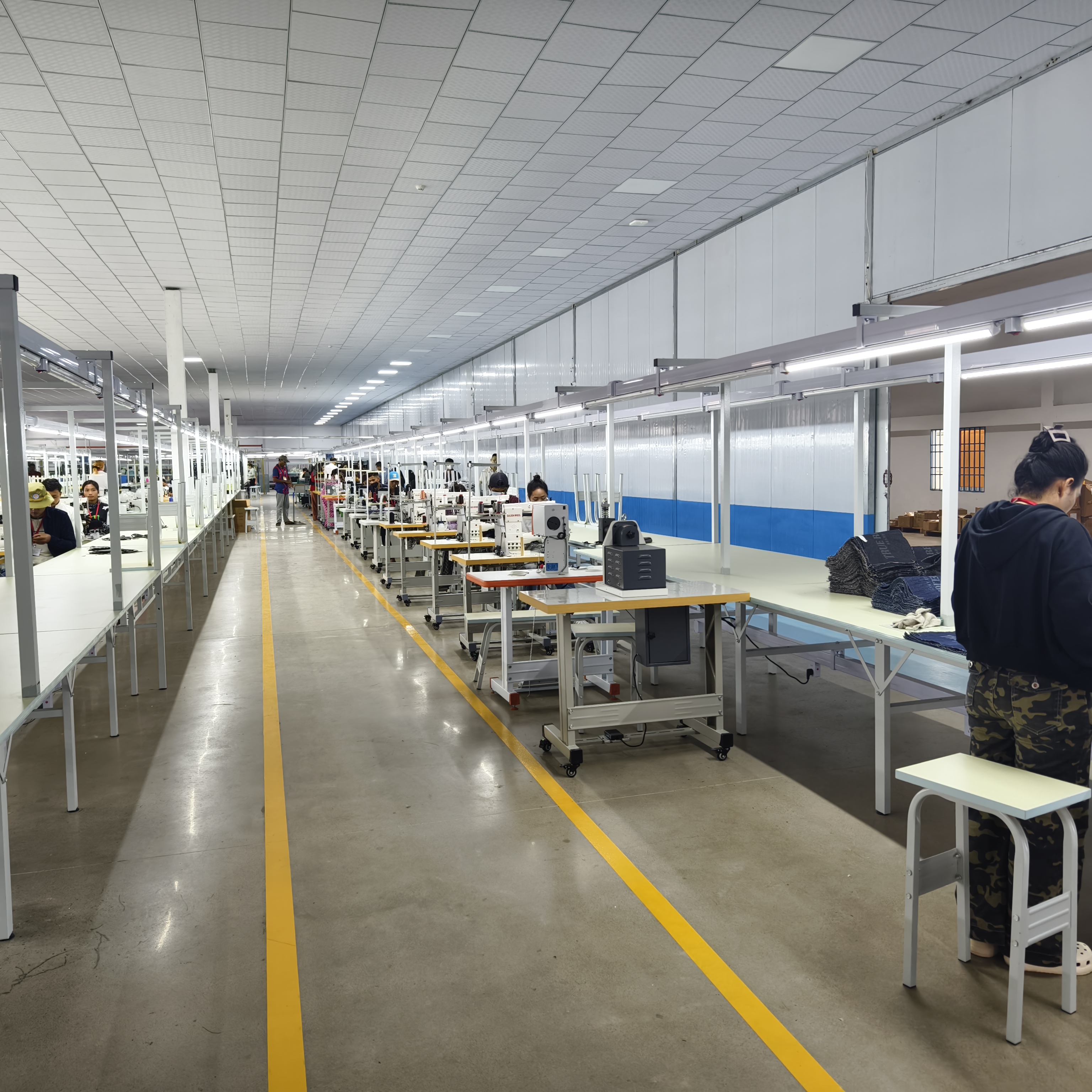
This photo was taken close to 11:00 a.m., on one production line in our Cambodia factory.
At first glance, nothing looks unusual.
Machines running, workers focused, production moving steadily.
But the timing matters.
Because at almost exactly 11:00 a.m., the line pauses.
Lunch time. On schedule. Every day.
For many overseas buyers visiting Cambodia for the first time, this rhythm feels unfamiliar.
And sometimes, misunderstood.
But in handbag manufacturing, understanding local work rhythms is not a cultural detail.
It is a production capability.
A Different Schedule — Not a Weaker One
In Cambodia, most factory workers stop work around 11 a.m. for lunch, and again around 4 p.m. in the afternoon.
Very precise.
Very consistent.
What surprises many buyers is what happens next.
In the evenings, workers remain highly active.
They socialize, exercise, and spend time with friends — often late into the night.
This is not about working less.
It is about working differently.
And when factories respect this rhythm instead of fighting it, something important happens:
-
Lower absenteeism
-
Lower worker turnover
-
More stable production teams
In handbag manufacturing, stability matters more than long hours.
Why Stable Teams Matter More Than Overtime
Handbags are not purely mechanical products.
They rely on:
-
Stitch consistency
-
Edge paint control
-
Material handling judgment
-
Repeated hand operations
These skills do not scale well with constant worker replacement.
In factories with high turnover, buyers often experience:
-
Samples that look perfect, bulk production that doesn’t
-
Quality drift after the first shipment
-
Increasing defect rates over time
In Cambodia, when production schedules align with local habits, workers stay longer.
Stable teams lead to:
-
Better consistency between sample and bulk
-
Fewer training resets
-
Stronger accountability on the line
This is not theory.
It is daily factory reality.
A Buyer’s Perspective: What You Don’t See in Reports
One buyer once told us after a visit:
“Your line feels calm. No rushing, no shouting. But output is stable.”
That calm is not accidental.
It comes from predictable routines.
Workers know when they rest.
Supervisors plan output accordingly.
For buyers managing multiple suppliers across regions, this translates into something valuable:
Lower hidden risk.
Not every risk appears on a KPI dashboard.
But unstable labor always shows up later — in claims, delays, or rework.
Cambodia Manufacturing Is Not Copy-Paste China
One mistake brands make when moving production is expecting the same management logic to work everywhere.
Cambodia is not China.
And strong Cambodia factories don’t try to be.
They design:
-
Production pacing around workforce reality
-
Capacity planning around stable attendance
-
Quality systems around long-term teams, not temporary labor
This is how Cambodia handbag factories build reliability — not by extending hours, but by protecting consistency.
What This Means for Brands Sourcing in Cambodia
If you are sourcing handbags in Cambodia, the real question is not:
“Do they work fewer hours?”
It is:
-
How stable are their teams?
-
How long do operators stay on the same process?
-
How well does the factory plan around local rhythms?
Factories that understand this deliver:
-
More predictable lead times
-
More consistent quality
-
Fewer surprises after the first order
Final Thought
This photo shows a production line.
But it also shows a system that works because it fits the people inside it.
Good manufacturing is not about forcing uniformity across countries.
It is about building systems that work locally — and deliver globally.
That is how stable handbag production is built in Cambodia.