-1.png?w=800&h=800)
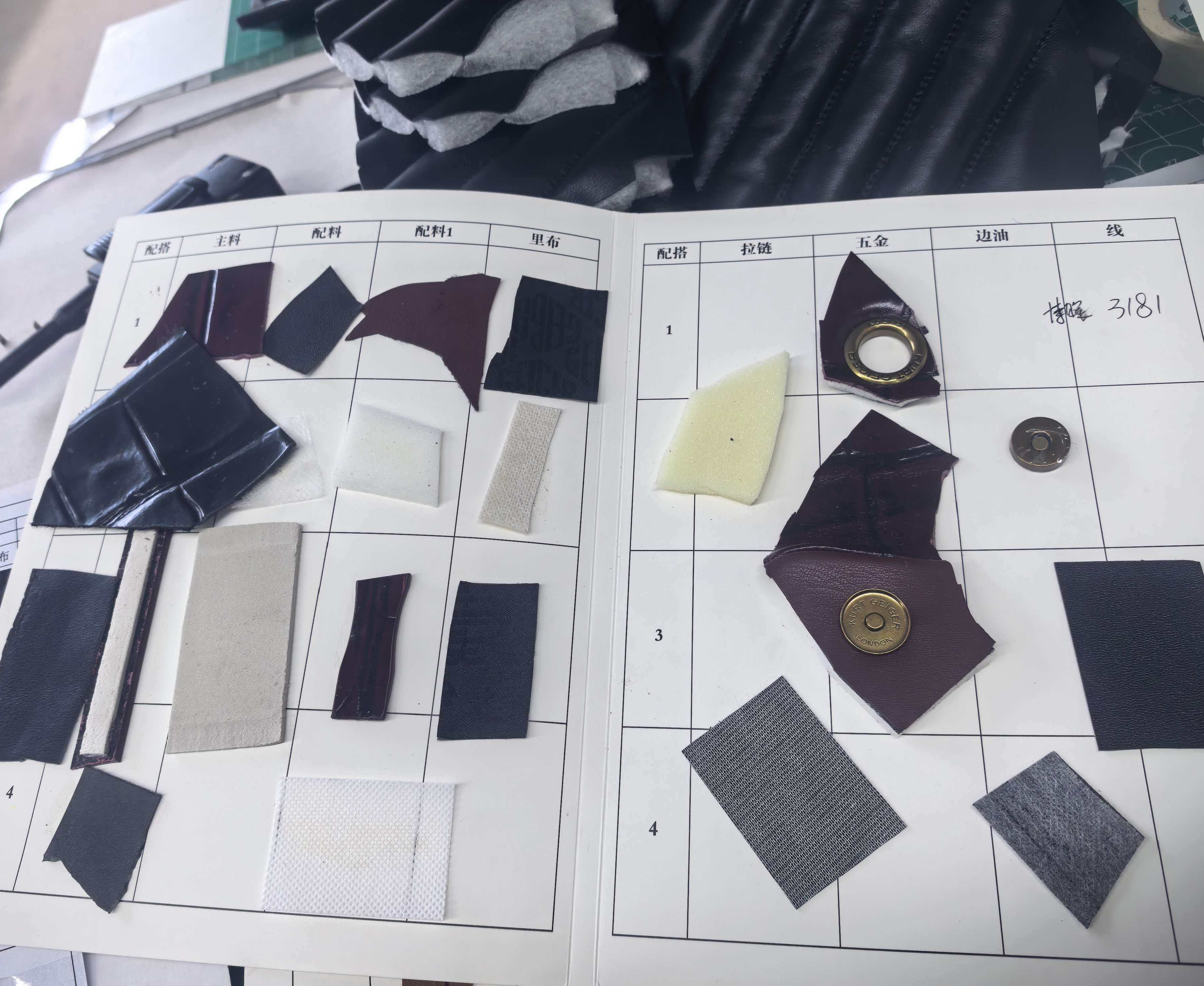
As a handbag brand owner or designer, you likely spend months perfecting your latest collection. You obsess over the grain of the leather, the precision of the stitching, and the trendiness of the silhouette.
But when the post-launch return data starts rolling in, a frustrating trend often emerges. The complaints aren’t about the leather or the style. Instead, they sound like this:
-
“The zipper split on my third use.”
-
“The shoulder strap clip snapped when I put my laptop inside.”
-
“The beautiful gold lock turned a tarnished green after a month.”
In the fashion e-commerce space, returns are a structural profit killer. While clothing brands battle with "fit and sizing" issues, accessories brands face a different nemesis: hardware failure.
Let’s dive deep into the mechanics of how substandard hardware spikes your return rates, and how investing in better metal can actively save your bottom line.
1. The Anatomy of a Hardware Return: Function vs. Fashion
When a customer buys a dress that doesn’t fit, they return it because of preference. When a customer returns a handbag due to a broken clasp, they return it because of product failure.
Hardware bridges the gap between fashion and utility. It bears the physical weight of the product. When it fails, the entire bag becomes unusable.
| Hardware Type | Common Quality Issue | Customer Reaction / Return Trigger |
| Zippers & Sliders | Misaligned teeth, splitting, stuck sliders | Immediate Return: The bag cannot be closed; it completely loses its functionality. |
| Dog Clips & D-Rings | Weak tensile strength, brittle zinc alloy cracking | Angry Return & Safety Issue: The strap snaps, causing the bag to drop (potentially damaging the customer's phone/laptop). |
| Magnetic Snaps & Turn-Locks | Weak magnets, loose spring mechanisms | Frustrated Return: The flap constantly flies open; the bag feels insecure in public. |
| Plating & Surface Coatings | Thin barrel plating, peeling, rapid tarnishing | Disappointed Return: The bag looks "cheap" and aged within weeks, triggering buyers' remorse. |
2. The Science of "Cheap" Metal: Why It Breaks
To prevent returns, your product development team must understand why budget hardware fails. Most low-end handbag hardware is made from low-purity Zinc Alloy or recycled scrap metals via a process called Barrel Plating.
【Cheap Base Metal】→ 【Thin Barreal Plating】→ 【Exposure to Humidity/Sweat】→【 Rapid Corrosion/Snap】
The Pitfalls of Barrel Plating vs. Rack Plating
-
Barrel Plating: The metal parts are thrown into a rotating barrel and plated together. This results in microscopic scratches, uneven thickness (often a microscopic 0.01–0.05 microns), and highly vulnerable wear points.
-
Rack Plating (The Industry Standard): Each piece is hung individually on a rack and electroplated. This ensures a mirror-like, flawless finish and a much thicker protective coat (0.1–0.5+ microns). It survives daily friction without exposing the raw base metal underneath.
Material Matters: Zinc vs. Brass
While zinc alloy is highly cost-effective and lightweight, it is brittle. Under sudden impact (like a user catching their bag strap on a doorknob), a cheap zinc clip will simply snap. On the other hand, Solid Brass or Stainless Steel possess high tensile strength and elasticity—they bend slightly under extreme weight rather than breaking cleanly.
3. The Financial Ripple Effect of a Single Broken Clasp
Many emerging brands choose cheaper hardware to save $2.00 to $3.00 on their Bill of Materials (BOM). However, this "saving" is entirely eaten up by the hidden costs of returns.
Let's look at the financial math of a return:
The Return Cost Formula:
Total Loss= Lost Retail Margin+Two-Way Shipping Costs+Customer Service Labor+Reverse Logistics Handling
If your return rate jumps from 4% to 12% due to a bad batch of magnetic closures, you aren't just losing the sale. You are paying to ship defective inventory back to your warehouse, processing customer complaints, and significantly damaging your Customer Lifetime Value (LTV). A customer who experiences a broken zipper in week two will rarely buy from your brand again.
4. How to De-Risk Your Supply Chain: A 3-Step Checklist
If you want to pull your return rates down to the low single digits, you must implement strict hardware quality control during the sampling phase.
Conclusion: Quality is Your Best Marketing Strategy
In the modern handbag industry, beautiful design gets the first sale, but hardware durability secures the second, third, and fourth.
By treating hardware not as a decorative afterthought, but as a critical structural component, you minimize customer friction, eliminate unnecessary reverse logistics costs, and build a brand reputation that lasts. Remember: it is infinitely cheaper to buy a high-quality $1.00 zipper slider upfront than to pay a $15.00 return shipping fee down the road.