-1.png?w=800&h=800)
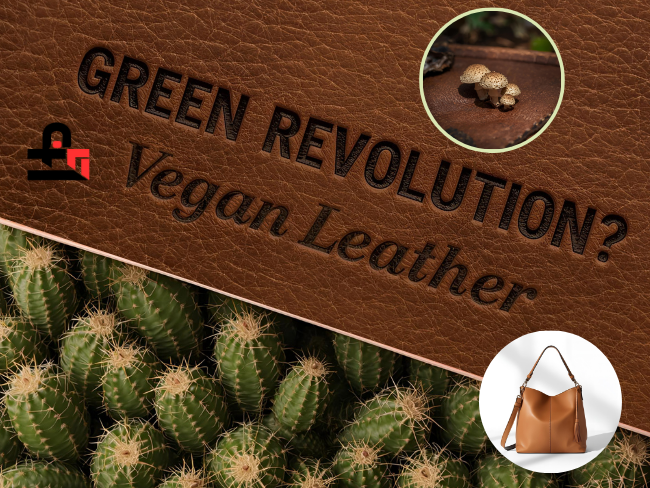
When Gucci’s vegan leather Horsebit 1955 bag stole the spotlight at Paris Haute Couture Week and Louis Vuitton’s vegan beach purse sold out instantly, one thing became clear — a new “cruelty-free” green wave is rewriting the luxury landscape.
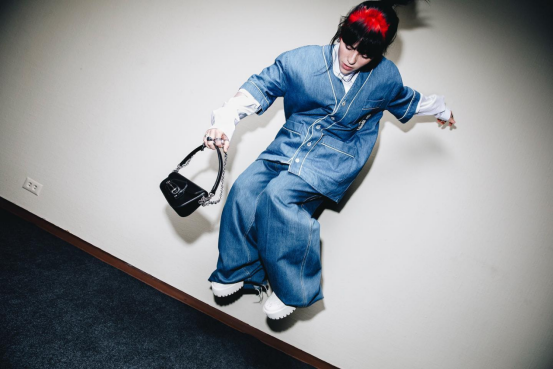
Picture by Instagram: @billieeilish x @gucci
According to Global Growth Insights, traditional leather handbag demand dropped by 30% year-on-year, while more than 35% of luxury houses have named vegan leather as their strategic focus for 2025. What was once an environmentalist slogan — “Vegan leather will own 30% of the luxury handbag market” — is rapidly becoming an industry reality. Yet the true game-changer lies not on the runway, but inside the factory.
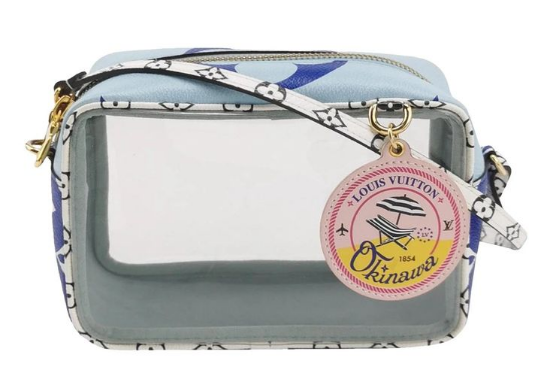
Picture by Pinterest @Vestiaire Collective
1. Understanding the Material: Vegan Leather in 2025 Is No Longer “Just PU”
The vegan leathers fashion editors handle backstage today are a far cry from the stiff, peeling synthetics of the past. The industry has split into two major camps — traditional synthetics and bio-based innovations — and factories that fail to evolve will soon fall behind brand requirements.
(1) Traditional Synthetic Leather: From “Basic” to “Performance-Driven”
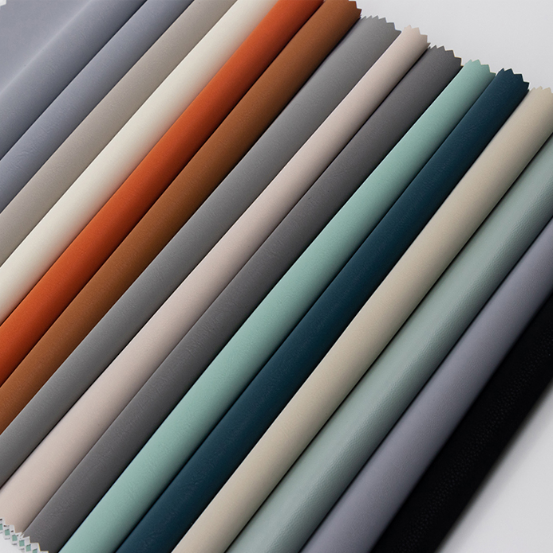
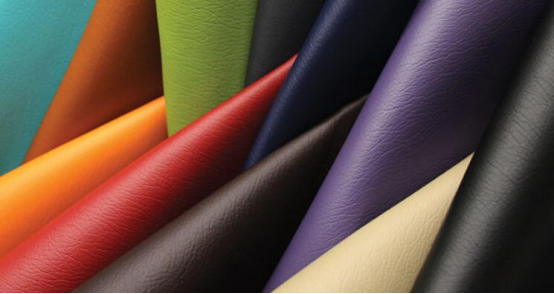
Still the backbone of the market, polyurethane (PU) leather has evolved into a microfiber + water-based coating hybrid. It now feels as soft as lambskin, withstands over 500 crease cycles without cracking, and easily endures five years of daily use.
One sourcing director from a European luxury brand shared that factories are now asked to control coating thickness at 0.3mm ± 0.02mm, as even slight deviations affect touch.
Picture by MECCA
Meanwhile, polyvinyl chloride (PVC) leather has transitioned to eco-modified versions, reducing plasticizer content and cutting its environmental footprint by 40%. Its firmer texture makes it ideal for structural components — such as bases and handles — rather than outer panels.
Picture by Leather NEO
(2) Bio-Based Leather: The Runway Darling with a “Temperamental” Side
The real test for factories in 2025 comes from bio-based leathers — the new darlings of sustainable fashion.
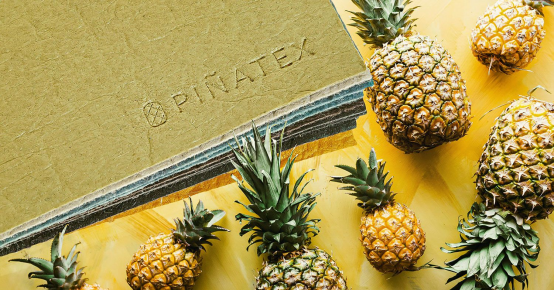
Pineapple leather (Piñatex) carries a beautiful natural grain but is highly heat-sensitive — one supplier reported an entire batch ruined when pressing temperature exceeded tolerance by just 5°C.
Picture by LIVEKINDLY
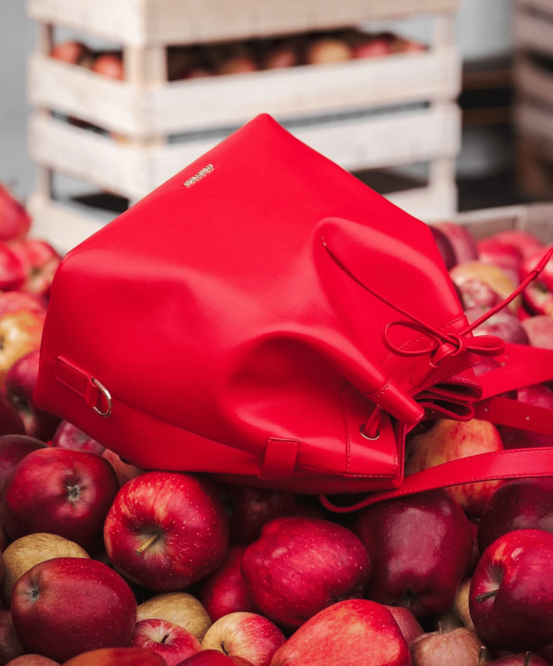
Apple leather feels silky-smooth yet requires a moisture content between 12%–15%; otherwise, delamination occurs during lamination.
Picture by IMMACULATE VEGAN
Mycelium leather (Mylo™) demands humidity control between 55%–60% to preserve texture uniformity.
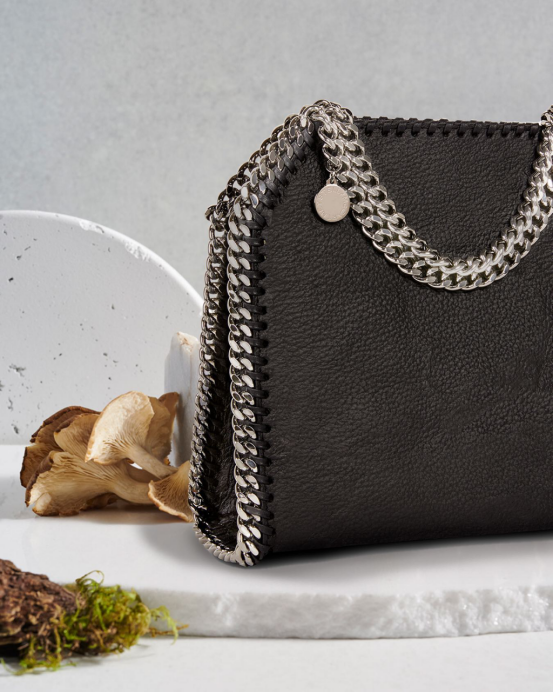
Picture by Instagram @mylo_unleather x @stellamccartney
Although their tear strength can surpass genuine leather by up to 2.3×, these materials are “delicate” in process. Without specialized production lines, factories will struggle to deliver runway-quality results.
2. Reading Brand Expectations: Decoding the “Production DNA” of Each Segment
Not all brands share the same priorities. To secure orders, factories must understand the hidden rules behind each category.
(1) Luxury Brands: Precision Under a Microscope
Gucci’s cactus leather pouch handle underwent five rounds of hardness adjustments — too stiff felt bulky, too soft lost shape. The final spec required a 0.5-second rebound time after pressing.
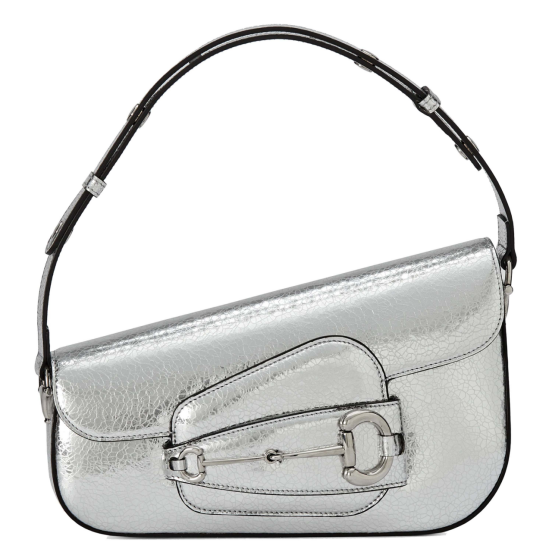
Picture by Harper’s BAZZAR
Stella McCartney’s Mylo™ handbags demand extreme tolerance: the gap between metal chain and leather must not exceed 0.1mm, or the batch is rejected.
Meeting such expectations requires more than compliance — it demands perfection. That means micron-level sanding machines, humidity-controlled workshops, and dedicated sample engineers.
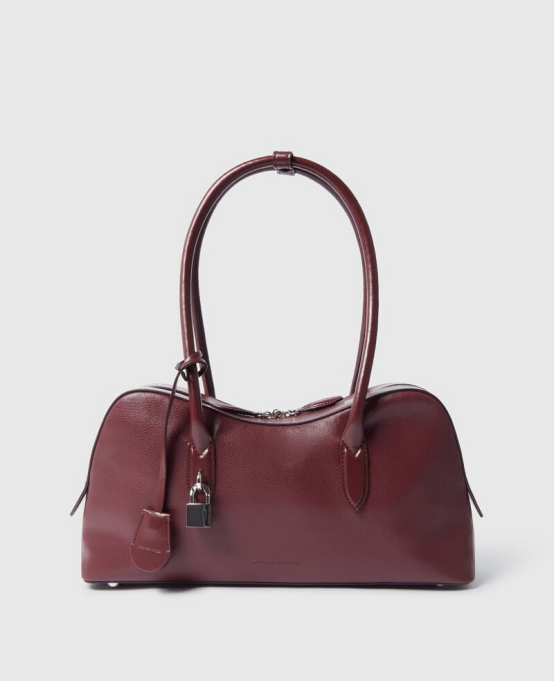
Picture by Stella McCartney
(2) Premium & Fast Fashion: The Art of Balancing Speed and Value
Canadian brand Matt & Nat’s vegan shoulder bag — a commuter favorite across Asia — requires 800 pcs/line/day capacity with stitch density locked at 10 stitches per inch.
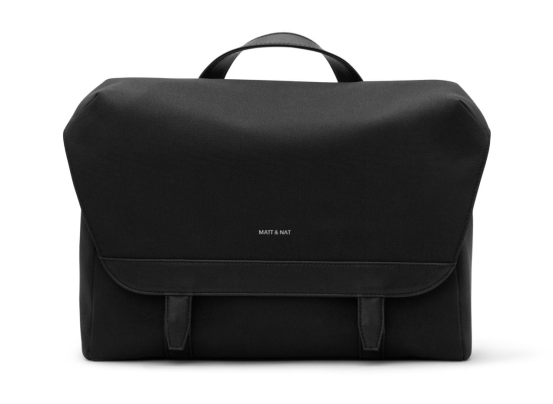
Picture by Matt & Nat
For Zara’s spring vegan tote collection, the challenge was time: just 30 days from sample approval to delivery. One OEM partner shortened this to 25 days using parallel machine tuning and pre-cut materials — securing repeat orders.
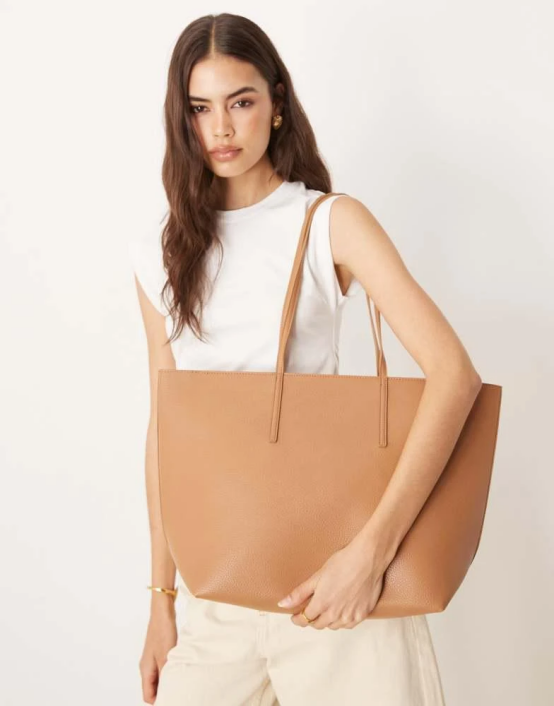
Picture by BeyondStyle
(3) Emerging Sustainable Brands: Looking for Technical Partners, Not Just Suppliers
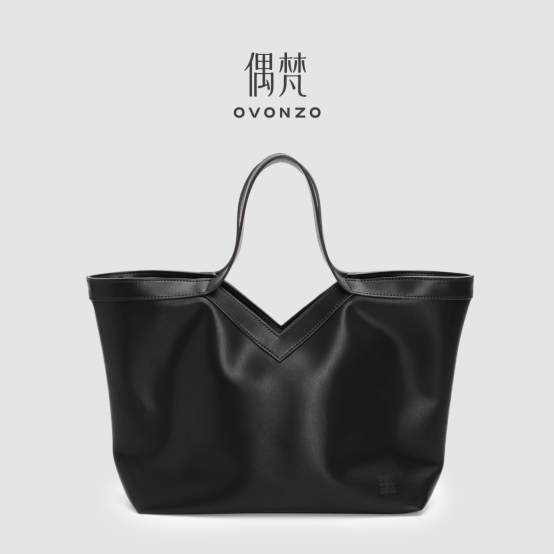
When Chinese brand Ovonzo faced dye inconsistency in its apple leather tote, the partner factory proposed a “segmented soaking + gradient heating” solution. The result: stable colorfastness after five washes.
Such brands may have strong design ideas but lack production know-how. Factories that can provide technical consultation and material recommendations will build long-term partnerships quickly.
Picture by OVONZO
3. Behind the Data: Mapping the Growth Opportunities for Manufacturers
The rise of vegan leather isn’t random — it follows a clear growth trajectory. Factories that align their capacity and expertise with these hotspots will be first to benefit.
(1) Overall Market: Doubling in the Next Decade
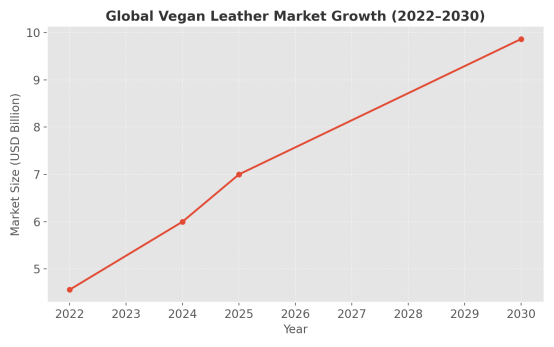
The global vegan leather market reached USD 4.563 billion in 2022 and is projected to hit USD 9.861 billion by 2030, with a CAGR of 10.11%.
Luxury handbags remain one of the strongest sub-segments, driving a forecasted 50% capacity increase requirement across OEM factories by 2030.
(2) Segment Spotlight: Bio-Based Leather as the Growth Engine
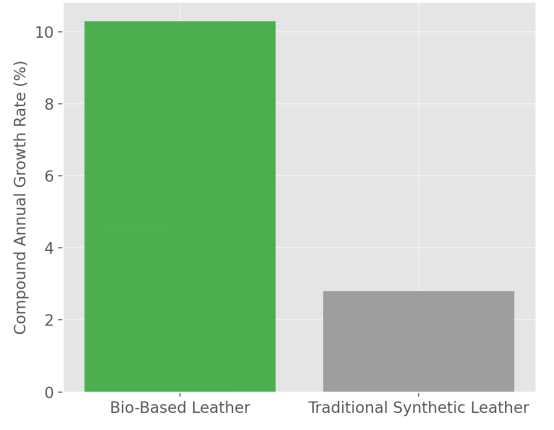
Bio-based synthetic leather reached USD 216 million in 2024 and is expected to surpass USD 439 million by 2031, at a CAGR of 10.3%, outpacing traditional synthetics (2.8%).
Plant-based leathers — pineapple, apple, cactus — show similar momentum, expected to reach USD 55 million by 2030 with a 7.81% CAGR.
Europe remains the epicenter, with 61% consumer acceptance in Germany, positioning the region as a premium market for sustainable materials.
Factories investing early in bio-based production will stand at the next industrial frontier.
(3) Regional & Policy Drivers: Europe and North America Lead the Way
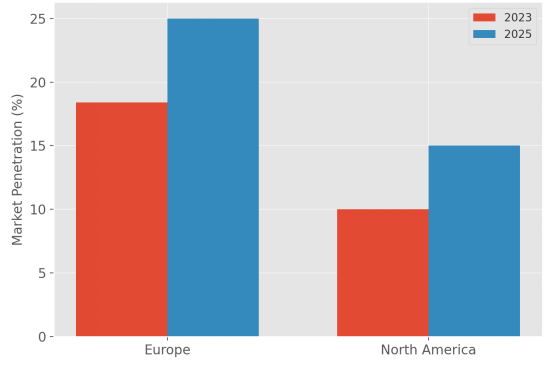
EU Commission data shows vegan leather penetration in handbags and footwear has hit 18.4% in 2023, projected to surpass 25% by 2025, led by Germany and France.
In North America, policy incentives accelerate adoption: California’s Leather Alternatives Tax Credit Act grants 15% tax deductions to brands using bio-based synthetics before 2025.
To compete, factories must ensure compliance with EU REACH and PETA certification standards — noncompliance could mean losing high-value contracts.
Meanwhile, the EU Sustainable Product Eco-Design Regulation (effective 2024) mandates a 40% carbon reduction across fashion by 2030, pushing brands to adopt greener materials.
Factories offering certified eco-production reports (e.g., “3.5 kg CO₂ reduction per handbag”) will gain a strong advantage as “compliance partners.”
4. The Factory Survival Guide: From OEM to Co-Creation Partner
The vegan leather revolution has shifted the question from “What do factories make?” to “What can factories innovate?” To stay relevant, manufacturers should focus on three strategic moves:
(1) Build a “Material Database” — No More One-Size-Fits-All Production
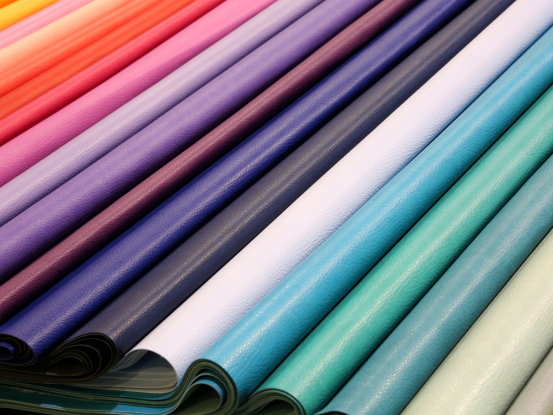
Create dedicated profiles for each material: ideal coating temperatures for PU, humidity levels for mycelium, anti-static treatment for RPET microfiber.
One factory secured a Stella McCartney order by instantly referencing its internal data linking RPET weave density to tensile strength — and produced a prototype within 7 days.
(2) Balance Speed and Craft: Tailor Your Approach by Segment
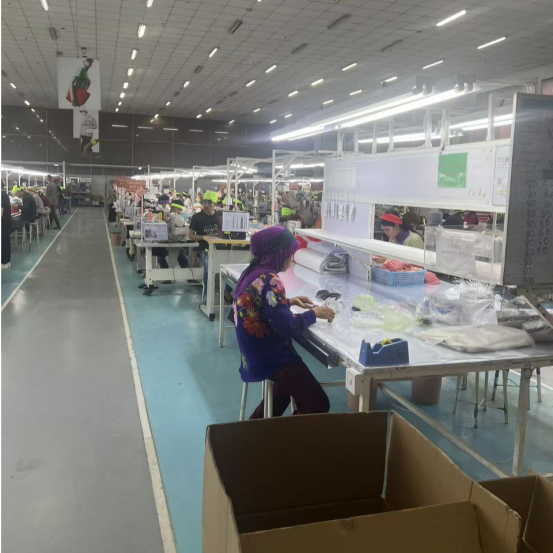
For fast-fashion clients: stock core materials 30 days in advance and compress lead times below 25 days.
For luxury brands: enforce full-chain QC — certification checks, process audits, durability and water-resistance tests — maintaining ≥99% pass rate.
(3) Become a Brand Partner, Not Just a Producer
Emerging brands need technical support; luxury houses need storytelling.
Factories that can provide eco data and behind-the-scenes transparency can become part of the brand’s narrative.
One manufacturer produced a “from mycelium to bag” short video for its partner brand — earning 100K+ social views and doubling reorder volume.
5. Conclusion: 2025 — The Factory’s Ticket to the Green Fashion Era
As vegan leather bags move from runway to retail and “cruelty-free” becomes a luxury signature, 2025 stands as a golden transition window for factories.
With a near-USD 10 billion market by 2030 and bio-based materials growing at double digits, this isn’t a passing fad — it’s a structural transformation of the supply chain.
The core of this revolution isn’t just material substitution, but a redefinition of production value: balancing texture, efficiency, and sustainability.
To truly seize the vegan leather opportunity, factories must think like trend editors, craft like designers, and plan like environmental experts.
Only then can they move from behind the scenes to co-creators of fashion’s green future.
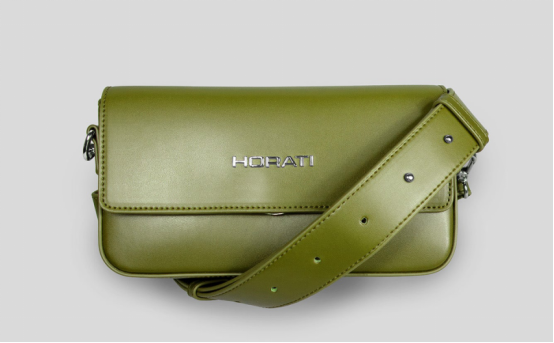
Picture by HORATI
Data References
- Research Nester (2025). Bio-Based Leather Market Forecast 2025–2037
- 24ChemicalResearch (2025). Polyurethane-Based Synthetic Leather Market 2025–2032
- Allied Market Research (2025). Vegan Leather Market 2024–2033
- Global Growth Insights (2025). Luxury Leather Goods Market Trend Analysis
- Molan Intelligence (2025). Bio-Based Leather Industry Report
- QYResearch (2025). Global Bio-Synthetic Leather Market Outlook 2024–2031
- DataM Intelligence (2025). Plant-Based Leather Market Forecast 2024–2031
- 360iResearch (2025). Vegan Leather Market Global Forecast to 2030
- McKinseywell (2024). Vegan Leather Market Global Forecast 2023–2030