-1.png?w=800&h=800)
Reading time: 11–13 minutes | Words: ~2,900
In 2025, the most commercially successful handbags were not driven by aggressive branding or experimental silhouettes. Instead, they followed clear, repeatable design logic, aligned closely with evolving consumer psychology and shopping behavior.
This article analyzes 10 handbag types that consistently performed well in 2025, explains why consumers bought them, and forecasts which styles are most likely to continue selling into 2026.
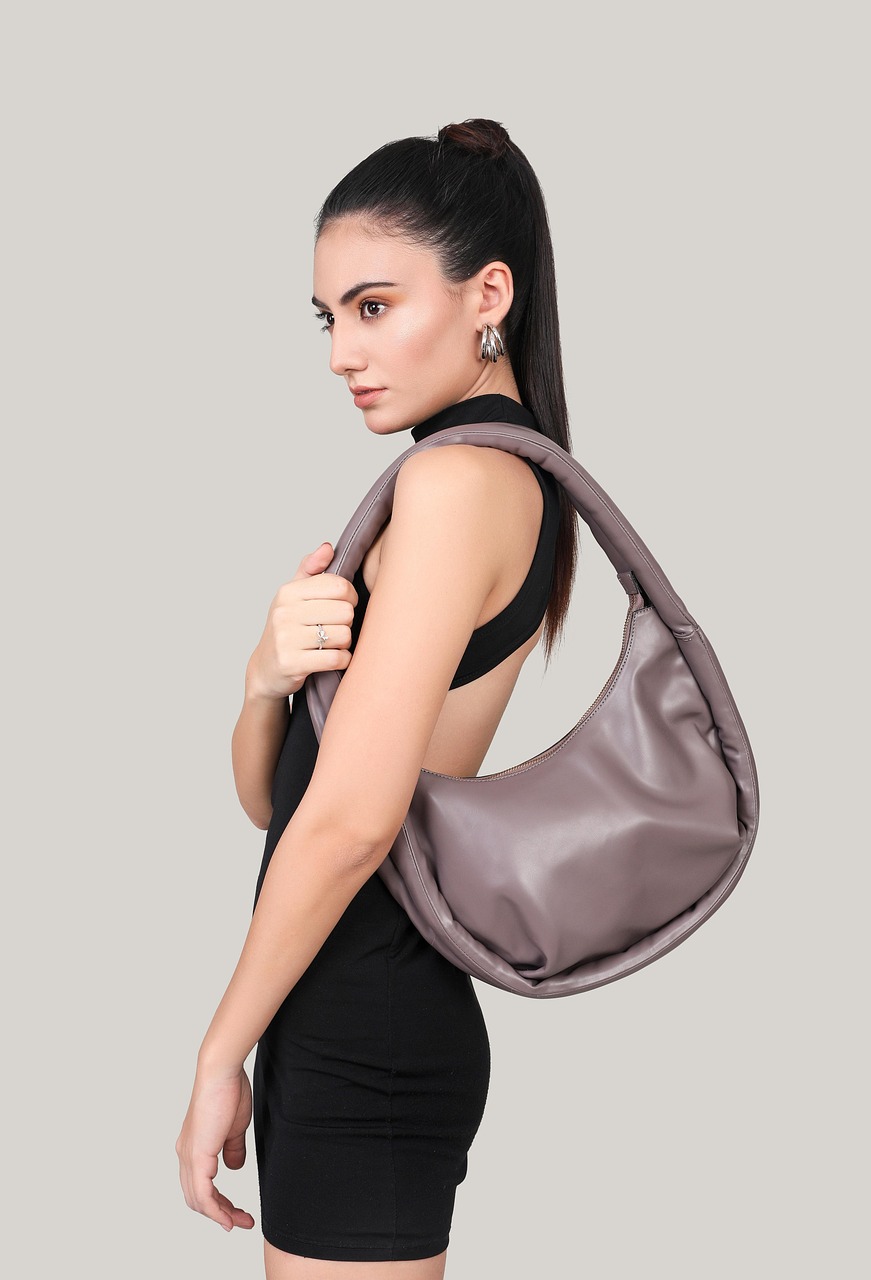
1. Soft Slouchy Shoulder Bag (Medium Size)
Why it sold in 2025
From a consumer psychology perspective, softness signals comfort, approachability, and low commitment. Shoppers increasingly prefer bags that feel easy to use and easy to style, especially for daily wear.
Shopping behavior insight
-
Often purchased quickly with minimal comparison
-
High likelihood of repeat purchase in multiple colors
-
Low return rate due to forgiving structure
Brand examples
-
COS – Soft Shoulder Bag (slouch PU version)
-
Mango – Soft Hobo Shoulder Bag
2026 outlook
This category will remain a core volume driver, with evolution focused on strap comfort and material hand-feel rather than shape changes.
Risk level: Very low
Reorder probability: High
2. Mini Top-Handle Bag with Long Strap
Why it sold in 2025
Mini bags fulfill a styling-driven consumption need rather than a functional one. Consumers purchase them as visual accents, not primary carriers.
Shopping behavior insight
-
Frequently bought as a second or third bag
-
Strong gifting performance
-
Lower price sensitivity
Brand examples
-
JW Pei – Maze Top Handle Bag
-
Charles & Keith – Mini Top Handle Structured Bag
2026 outlook
Demand will stabilize rather than decline. Slight size increases and better ergonomics will extend usability.
Risk level: Medium
Reorder probability: Medium
3. East–West Shoulder Bag
Why it sold in 2025
The elongated silhouette performs exceptionally well in digital-first shopping environments. It photographs cleanly and reads clearly in social media thumbnails.
Shopping behavior insight
-
Purchased after repeated exposure rather than impulse
-
Viewed as “fashion-forward but safe.”
-
Strong social validation effect
Brand examples
-
Bottega Veneta – Andiamo East–West (design influence)
-
& Other Stories – East–West Shoulder Bag
2026 outlook
Expect continued relevance with softer corners and reduced hardware.
Risk level: Low
Reorder probability: Medium–high
4. Nylon / PU Hybrid Tote
Why it sold in 2025
Consumers increasingly evaluate bags through a cost-per-use mindset. Lightweight, durable totes align with practical, everyday lifestyles.
Shopping behavior insight
-
Used across work, travel, and errands
-
High perceived value for price
-
Low buyer remorse
Brand examples
-
Longchamp – Le Pliage Original (reference logic)
-
Parfois – Nylon Tote with PU Trim
2026 outlook
Hybrid material execution will remain relevant, with emphasis on cleaner aesthetics.
Risk level: Low
Reorder probability: High
5. Soft Bucket Bag with Drawstring
Why it sold in 2025
This category aligns with the rise of quiet luxury—minimal hardware, soft form, and understated elegance.
Shopping behavior insight
-
Longer consideration cycle
-
Purchased for versatility across occasions
-
Lower trend fatigue
Brand examples
-
Polène – Numéro Huit
-
Massimo Dutti – Soft Drawstring Bucket Bag
2026 outlook
Stable demand, especially in neutral palettes.
Risk level: Low
Reorder probability: Medium–high
6. Chain-Strap Party Bag (Mini / Small)
Why it sold in 2025
As social events rebounded, consumers sought high-visual-impact, low-usage-frequency accessories.
Shopping behavior insight
-
Bought for specific occasions
-
Hardware-driven decision-making
-
Less focus on internal construction
Brand examples
-
Kurt Geiger – Kensington Mini
-
Lipsy London – Chain Strap Occasion Mini Bag
2026 outlook
Will continue as capsule items rather than volume drivers.
Risk level: Medium
Reorder probability: Medium
7. Multi-Pocket Utility Crossbody
Why it sold in 2025
Hands-free functionality has become a structural lifestyle requirement, not a trend.
Shopping behavior insight
-
High daily usage reinforces loyalty
-
Strong repeat purchase after wear-out
-
Low return rate
Brand examples
-
Uniqlo – Round Mini Shoulder Bag (multi-pocket variants)
-
Zara – Utility Crossbody with Front Pockets
2026 outlook
Expected to expand further with cleaner aesthetics.
Risk level: Very low
Reorder probability: Very high
8. Croissant / Crescent-Shaped Bag
Why it sold in 2025
The curved silhouette balances distinctiveness and wearability, offering visual interest without functional compromise.
Shopping behavior insight
-
Purchased for shape differentiation
-
Strong social-media influence
-
Often bought alongside basics
Brand examples
-
Lemaire – Croissant Bag
-
COS – Crescent Shoulder Bag
2026 outlook
Will remain relevant if proportions stay wearable.
Risk level: Medium
Reorder probability: Medium
9. Work Tote with Hidden Structure
Why it sold in 2025
Consumers reject overtly corporate designs but still require functionality for hybrid work.
Shopping behavior insight
-
Higher average order value
-
Longer decision cycle
-
Lower return rates
Brand examples
-
Everlane – The ReNew Transit Work Tote
-
Cuyana – System Tote
2026 outlook
Continued growth, especially with modular interiors.
Risk level: Low
Reorder probability: Medium–high
10. Logo-Light Everyday Bag
Why it sold in 2025
Low-logo designs reduce social signaling risk, making them suitable across contexts.
Shopping behavior insight
-
Strong cross-age appeal
-
Lower post-purchase regret
-
Frequently chosen as first purchase
Brand examples
-
Arket – Minimal Leather Shoulder Bag
-
Massimo Dutti – Logo-Light Shoulder Bag
2026 outlook
This will increasingly become the default commercial standard.
Risk level: Very low
Reorder probability: High
Key Takeaway for 2026 Development
The strongest handbag programs for 2026 will:
-
Start from validated 2025 bestsellers
-
Prioritize refinement over reinvention
-
Control structure and hardware risk
-
Extend lifecycle through color and material updates
In short: 2026 success will favor disciplined evolution, not radical change.