-1.png?w=800&h=800)
Word count: 1,870
Estimated reading time: ~7 minutes
When neon lights shimmer across Singapore’s rooftop bars and music pulses through Kuala Lumpur’s lounges, one thing is clear — the party is back. And with it, a new generation of consumers who are reshaping what style, luxury, and sustainability mean in the post-pandemic era.
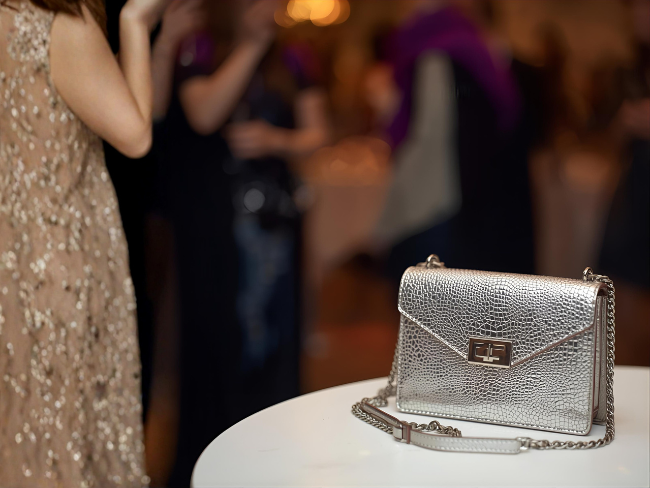
Among the sequins and cocktails, there’s one item quietly defining the new code of cool: the handbag. No longer just a fashion accessory, it has become an emotional statement, an ethical reflection, and a social identifier.
Why the Young Generation Loves to Party?
To understand the growing demand for party handbags, we first need to understand why young Southeast Asians love parties so much — and why that matters for brands and manufacturers.
1. A stage for self-expression
For many Gen Z and millennial consumers, parties are extensions of identity.
According to McKinsey’s 2024 Global Consumer Report, 68% of Gen Z respondents say they use social occasions to “express who I am through fashion.”
At parties, every accessory — especially the handbag — becomes a visual language of confidence, individuality, and belonging.
2. A form of emotional release
After years of social restrictions, the young generation views nightlife as a mental reset button.
YouGov Asia’s 2024 survey shows that 71% of Gen Z in Malaysia and Singapore consider music events and social gatherings their top method of emotional relief.
That explains why consumers now choose bags not only for aesthetics but also for emotional comfort — lightweight, tactile, and expressive.
3. A way to build social capital
In Southeast Asian urban culture, where you show up and who you show up with still matter.
Nearly 42% of young professionals in Malaysia see events and parties as opportunities to “build networks and open business opportunities.” (Malaysia Fashion Event Report, 2023)
A well-chosen handbag, therefore, becomes part of one’s “social portfolio” — a sign of taste, confidence, and cultural fluency.
4. A mirror for value-driven lifestyles
Unlike the “excessive glamour” of the past, modern partygoers want to shine responsibly.
Eco-friendly events, low-waste cocktail bars, and “green fashion parties” are emerging trends in Singapore and Kuala Lumpur.
The message is clear:
“I can enjoy life and still care for the planet.”
This dual desire — to be stylish and responsible — is what’s fueling the rise of sustainable party handbags.
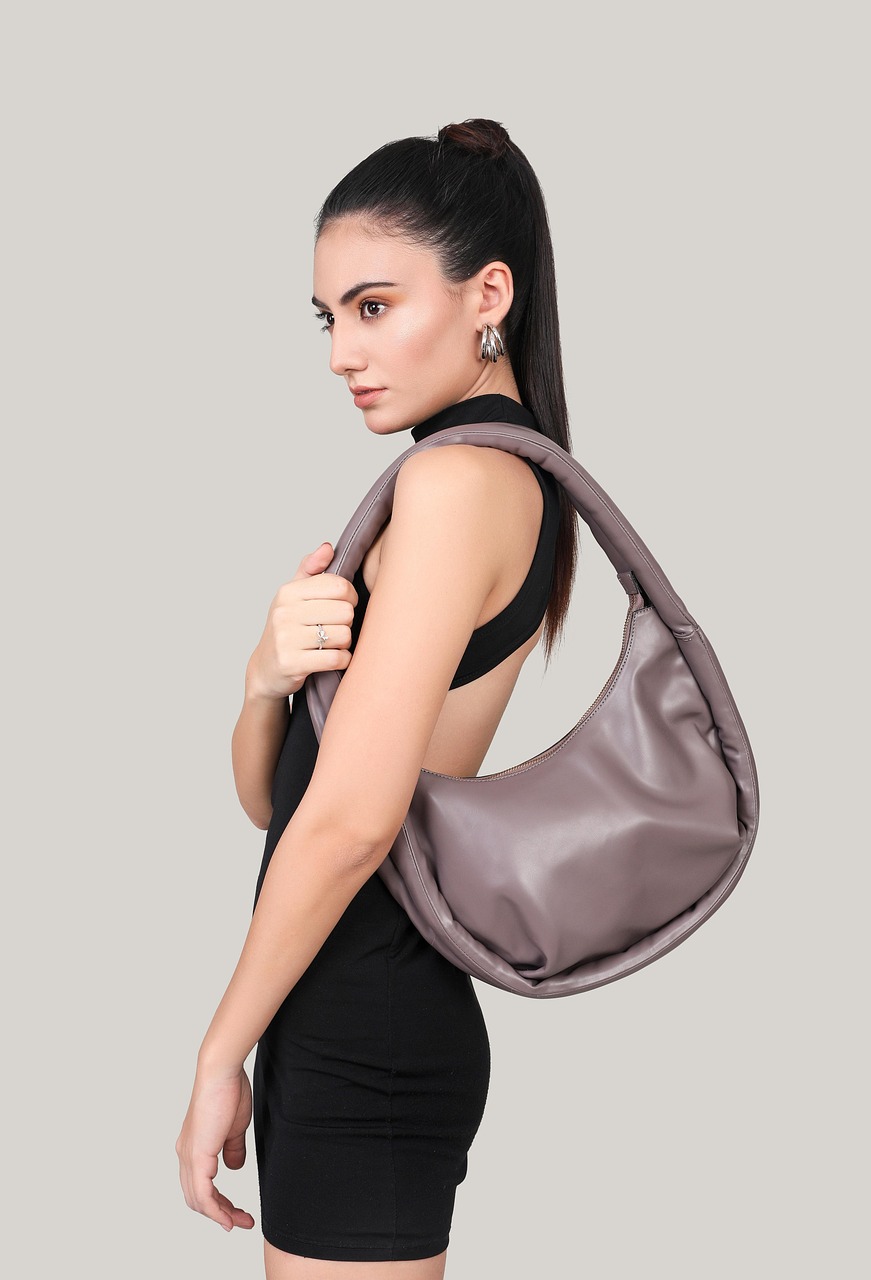
Picture: Pixabay
Who’s Leading the Trend?
As Taylor Swift's lyric: " Only the young. Only the young can run. "
According to Statista’s 2024 Lifestyle Report, over 62% of adults aged 20–35 in Singapore and Malaysia attend at least one nightlife or social event per month.
This same group drives over 70% of fashion accessory spending in the region.
Meanwhile, 57% of Southeast Asian millennials consider a handbag’s environmental footprint before purchase, and 48% are willing to pay 10–15% more for eco-certified materials (YouGov Asia, 2024).
The implication?
Brands can no longer treat sustainability as optional — it’s an entry ticket to relevance.
The Anatomy of a Modern Party Handbag
Through regional market analysis, three design directions dominate the 2024–2025 party season:
-
Convertible silhouettes — from clutch to crossbody, designed for flexible nightlife movement.
-
Recycled glamour — upcycled leather, metallic-coated rPET, and bio-based polyurethane replacing PVC.
-
Visible ethics — embossed recycled textures, transparent sourcing tags, and minimal packaging that signal authenticity.
In 2024, sales of small-sized handbags across Southeast Asia grew 18%, with recycled-material variants accounting for one-third of that growth (Euromonitor, 2025).
The Emotional Core: From Possession to Purpose
Today’s consumers are not just buying accessories — they’re buying meaning.
A 2024 NielsenIQ study found that 73% of Malaysian Gen Z women feel “socially responsible” when choosing ethically made fashion.
In Singapore, 68% of consumers under 30 say they feel “more connected” to brands that share sustainability data openly.
Owning a handbag is no longer about luxury — it’s about belonging to a value system.
Market Growth Outlook: 2023–2025
-
The Singapore and Malaysia handbag market is projected to grow 6.2% annually through 2026.
-
The eco-luxury and sustainable segment is expanding at 12.5% CAGR (Euromonitor, 2025).
-
The party and social-event handbag niche is estimated to reach USD 185 million by 2025.
Meanwhile, Google Trends data shows that searches for “eco evening bag” have surged +240% YoY in Southeast Asia.
Sustainability has officially entered the dance floor.
Shifting Mindsets and Aesthetics
Sustainability is no longer about compromise — it’s about upgrading values through design.
Young consumers now want “eco” to look aspirational, not “alternative.”
Three mindsets define this transformation:
-
Minimal Waste, Maximum Impact – intentional simplicity with bold expression.
-
Transparency Equals Trust – honest storytelling on sourcing and production.
-
Identity Through Responsibility – wearing sustainability as a badge of modern identity.
How Brands Can Adapt
To stay relevant in this new era of “conscious celebration,” fashion brands must:
-
Integrate eco-materials that still shine — e.g., metallic recycled fibers or bio-coated vegan leather.
-
Emphasize versatility — multi-wear designs that match both streetwear and evening outfits.
-
Replace excess packaging with digital transparency — QR codes linking to sustainability data.
-
Support local collaborations to enhance cultural authenticity and reduce carbon footprints.
When done right, sustainability shifts from being a label to becoming the design DNA.
What Manufacturers Should Do
Manufacturers are now more than suppliers — they are co-creators of sustainable luxury.
To empower brands effectively, they should:
-
Source certified recycled and bio-based materials, ensuring full traceability.
-
Adopt small-batch production models that let brands test new designs without waste.
-
Invest in R&D for innovative textures that merge sustainability with glamour.
-
Provide transparency documentation and digital reports for brand storytelling.
-
Localize production chains to reduce transport emissions and speed to market.
By aligning innovation with ethics, manufacturers transform from being “behind the scenes” to being the engine of transformation in sustainable fashion.
The Future: Where Party Meets Purpose
As Southeast Asia’s nightlife evolves, its fashion narrative evolves too.
By 2026, sustainability will not be a choice — it will be the default aesthetic.
The future partygoer will carry a handbag that tells a story: one of creativity, consciousness, and connection.
And that’s where the next wave of design innovation will emerge — where style meets responsibility, and every shimmer hides a deeper value.
D.F.H. Handbag – Like your brand, like mine.
📚 References
-
McKinsey & Company. Global Consumer Sentiment Report, 2024.
-
Statista. Lifestyle and Entertainment Trends: Singapore & Malaysia, 2024.
-
YouGov Asia. Southeast Asian Millennial Sustainability Attitudes, 2024.
-
NielsenIQ. Gen Z Ethical Consumption in Asia-Pacific, 2024.
-
Euromonitor International. Luxury Accessories Market Outlook: ASEAN 2023–2026, 2025.
-
Google Trends. Eco-Fashion and Recycled Handbag Keyword Insights, 2024.
- Malaysia Fashion Event Report, 2023.