-1.png?w=800&h=800)
From transportation to material inspection, here's how experienced factories protect leather quality before a single piece is cut.
When sourcing genuine leather handbags, buyers often focus on pricing, MOQ, or lead time.
However, one factor that has a significant impact on the final product is often overlooked:
How does your manufacturer handle leather before production even begins?
Wrinkles, creases, and surface marks can appear long before leather reaches the cutting table. Professional manufacturers know that quality isn't created during sewing—it starts with material handling, transportation, and inspection.
In this article, we'll explain why genuine leather develops wrinkles, how experienced handbag manufacturers prevent unnecessary damage, and what buyers should ask before placing an order.
Why Does Genuine Leather Develop Wrinkles?
Unlike PU or synthetic leather, genuine leather is a natural material.
Every hide has its own grain pattern, elasticity, and texture. During transportation and storage, leather rolls are exposed to:
- Compression from stacking
- Pressure during shipping
- Changes in temperature and humidity
- Long-distance transportation
- Warehouse storage
These conditions may create temporary wrinkles or creases, even when the leather itself is premium quality.
Natural wrinkles are not defects.
The real difference lies in how the manufacturer manages the material before production.
Prevention Starts Before the Leather Arrives at the Factory Floor
Many factories only begin quality control after receiving the leather.
Professional manufacturers start much earlier.
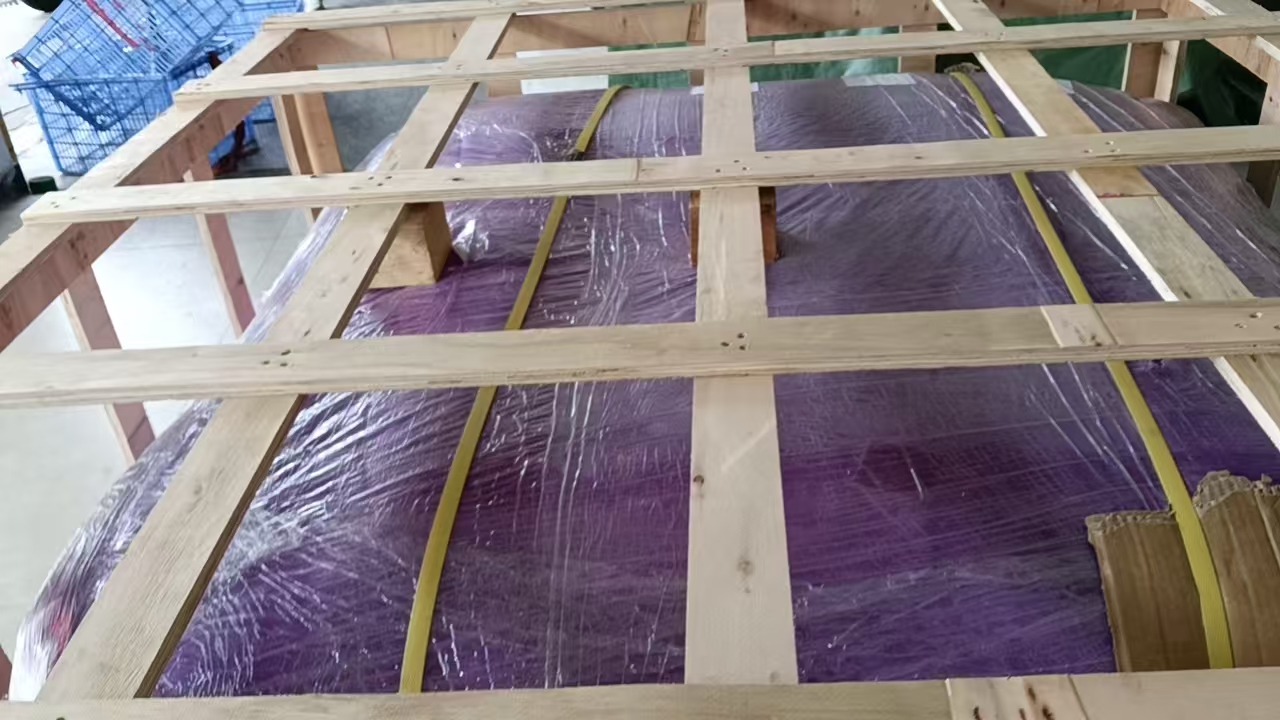
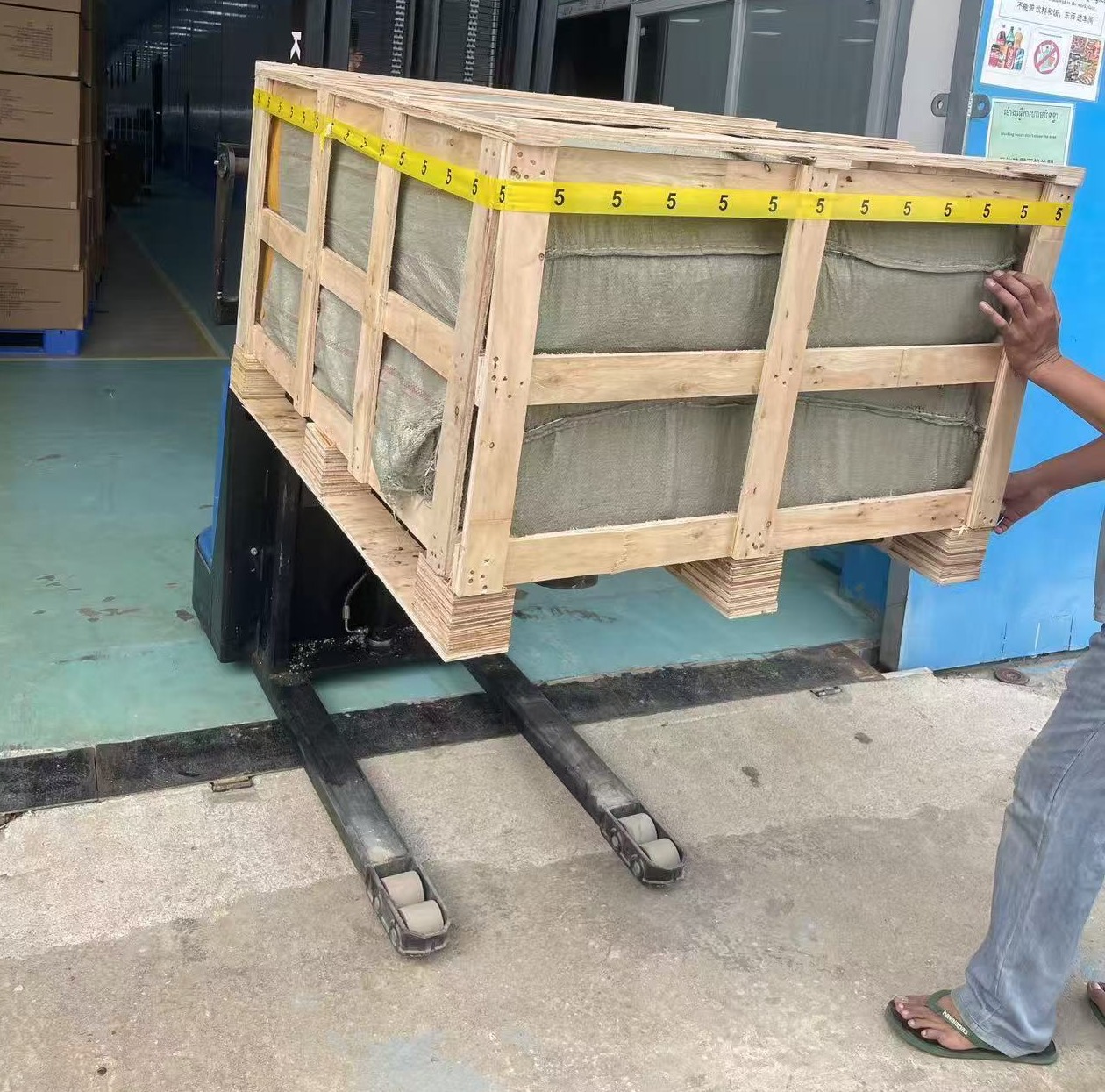
To reduce pressure during transportation, we secure leather rolls using custom wooden support frames instead of allowing the material to bear its own weight.
The leather is also wrapped and fixed securely to minimize movement during transit.
This simple but effective protection helps:
- Reduce transportation-induced wrinkles
- Prevent compression damage
- Minimize unnecessary material deformation
- Preserve leather quality before production begins
By protecting the material during logistics, we reduce the amount of correction needed later and improve overall production consistency.
Quality control starts with logistics—not just manufacturing.
Every Batch Is Carefully Inspected Before Cutting
Even with proper transportation, every shipment undergoes a detailed material inspection before entering production.
Our quality team checks:
- Leather thickness consistency
- Color matching
- Grain texture
- Surface condition
- Natural marks
- Transportation-related wrinkles
Materials are graded according to different bag components, ensuring that the best sections are used for highly visible panels while maintaining optimal material utilization.
This process helps reduce waste while ensuring a consistent appearance across every production batch.
Conditioning the Leather Before Production
If wrinkles appear after transportation, experienced technicians carefully condition the leather before cutting.
Depending on the leather type, this may involve controlled heat, resting time, or other appropriate preparation methods that allow the material to return to its natural state without affecting its texture.
The objective isn't to hide imperfections.
It's to ensure the leather is stable, flat, and ready for precise cutting.
Skipping this step can result in:
- Uneven cutting accuracy
- Distorted panel shapes
- Sewing inconsistencies
- Higher rejection rates
- Increased material waste
Proper preparation improves both product quality and production efficiency.
Why This Matters to Brands and Startups
For established brands, consistency protects brand reputation.
For startups, consistency can determine whether a first collection succeeds.
Many first-time buyers focus on the visible production process but overlook material handling.
In reality, a beautiful handbag begins long before stitching.
Working with a manufacturer that follows standardized procedures from transportation through material inspection helps reduce production risks and improve the consistency of both samples and bulk orders.
Questions Every Buyer Should Ask a Handbag Manufacturer
Instead of only discussing pricing and lead times, buyers should also ask:
- How is genuine leather protected during transportation?
- Do you inspect every leather shipment before production?
- How do you minimize wrinkles caused by storage or shipping?
- What happens if the leather quality varies within one batch?
- How do you reduce material waste while maintaining quality consistency?
- Can you provide photos or videos of your material inspection process?
These questions often reveal more about a factory's manufacturing standards than a quotation sheet ever will.
Our Approach to Leather Quality Management
At D.F.H. Handbag, quality control begins before production starts.
We protect leather during transportation using custom wooden support frames to reduce compression during shipping.
Once materials arrive, every batch is inspected for color consistency, thickness, grain, and surface condition before entering production.
Combined with our ERP material management system and standardized quality control procedures, this process helps us maintain consistent quality from sampling through mass production.
Because premium handbags aren't created by one excellent sewing operator.
They're built on hundreds of careful decisions made before the first stitch.
Looking for a Reliable Leather Handbag Manufacturer?
Whether you're launching your first collection or scaling an established brand, choosing a manufacturer with strong material management can reduce production risks and improve product consistency.
At D.F.H. Handbag, we support brands with:
- OEM & ODM handbag manufacturing
- Genuine leather and premium PU production
- Material inspection and quality management
- Low MOQ options for growing brands
- Transparent production updates
- Nearly 20 years of handbag manufacturing experience
Have questions about your next handbag project? Contact our team to discuss your design and production requirements.